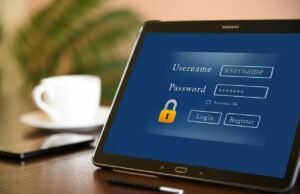
Personal data is the lifeblood of the modern digital economy. From online shopping to social media, our information fuels the services we use daily. But with this convenience comes a responsibility: the protection of our personal data. Understanding your rights and how to safeguard your information is more important than ever in today’s interconnected world. This blog post will guide you through the essentials of personal data protection, empowering you to take control of your digital footprint.
Understanding Personal Data and Its Sensitivity
What Constitutes Personal Data?
Personal data is any information that relates to an identified or identifiable natural person. This seemingly simple definition encompasses a wide range of information. It’s not just your name and address; it also includes:
- Email addresses
- Phone numbers
- IP addresses
- Location data
- Biometric data (fingerprints, facial recognition)
- Online identifiers (cookies, device IDs)
- Purchase history
- Health information
- Financial information
Essentially, if information can be used to single you out from a crowd, it’s likely considered personal data.
The Importance of Data Sensitivity
Not all personal data is created equal. Some data, considered “sensitive,” requires a higher level of protection due to the potential harm its disclosure could cause. Sensitive personal data typically includes:
- Racial or ethnic origin
- Political opinions
- Religious or philosophical beliefs
- Trade union membership
- Genetic data
- Biometric data (when used for identification purposes)
- Data concerning health
- Data concerning a person’s sex life or sexual orientation
Because of the heightened risks associated with sensitive data, organizations that collect and process it must implement stricter security measures and adhere to specific regulations. For example, a healthcare provider handling your medical records is held to a much higher standard of data protection than an online retailer storing your shipping address.
Practical Example: Recognizing Data Sensitivity in Action
Imagine you’re applying for a job online. The application form asks for your name, address, and work history – standard personal data. However, it also asks about your religious beliefs. This is likely a violation of data protection principles, as religious beliefs are considered sensitive data and are rarely relevant to employment decisions. You have the right to refuse to answer this question and could even report the company for potentially discriminatory data collection practices.
Key Principles of Personal Data Protection
Lawfulness, Fairness, and Transparency
Data processing must be lawful, fair, and transparent. This means:
- Lawfulness: Organizations must have a legal basis for processing your data (e.g., your consent, a contract with you, a legal obligation).
- Fairness: Data processing must be conducted in a way that is reasonable and doesn’t unfairly disadvantage you.
- Transparency: You have the right to be informed about how your data is being used, in clear and easily understandable language.
Purpose Limitation
Data should only be collected for specified, explicit, and legitimate purposes and not further processed in a manner incompatible with those purposes. An online retailer collecting your address for shipping your order cannot then sell that information to a marketing company without your consent.
Data Minimization
Organizations should only collect the data that is necessary and relevant for the specified purpose. If a website asks for your phone number when all it needs is your email address for account creation, it’s violating the principle of data minimization.
Accuracy
Personal data must be accurate and kept up to date. Organizations have a responsibility to correct or delete inaccurate data. You have the right to rectify incorrect information held about you.
Storage Limitation
Data should be kept in a form which permits identification of data subjects for no longer than is necessary for the purposes for which the personal data are processed. This is the principle of data retention. Organizations must have a clearly defined data retention policy.
Integrity and Confidentiality
Data must be processed in a manner that ensures appropriate security, including protection against unauthorized or unlawful processing and against accidental loss, destruction, or damage, using appropriate technical or organizational measures. This involves implementing security measures like encryption, access controls, and regular security audits.
Accountability
Organizations are responsible for demonstrating compliance with these principles. This involves maintaining records of processing activities, conducting data protection impact assessments, and implementing appropriate governance structures.
Practical Tip: Asking “Why?” Before Sharing Your Data
Before providing your personal data to any website or service, ask yourself why they need it. If the reason is unclear or doesn’t seem necessary, you have the right to refuse. For example, a mobile app requesting access to your contacts list when it only needs to send notifications should raise a red flag.
Your Rights Regarding Your Personal Data
Right to Access
You have the right to access a copy of your personal data that is being processed by an organization. This allows you to see what information they hold about you.
Right to Rectification
You have the right to have inaccurate or incomplete data corrected.
Right to Erasure (“Right to be Forgotten”)
In certain circumstances, you have the right to have your personal data erased. This right is not absolute and may be limited if the organization needs to retain the data for legal or legitimate business purposes.
Right to Restriction of Processing
You have the right to restrict the processing of your data in certain situations, such as when you contest the accuracy of the data or when the processing is unlawful.
Right to Data Portability
You have the right to receive your personal data in a structured, commonly used, and machine-readable format and to transmit that data to another controller. This makes it easier to switch between services.
Right to Object
You have the right to object to the processing of your data in certain situations, such as for direct marketing purposes or when the processing is based on legitimate interests.
Right not to be Subject to Automated Decision-Making
You have the right not to be subject to a decision based solely on automated processing, including profiling, which produces legal effects concerning you or significantly affects you.
Practical Example: Exercising Your Right to Access
You’ve noticed some unusual activity on your credit card statement. You suspect your personal data may have been compromised in a data breach at a company you recently shopped with online. You can exercise your right to access by contacting the company’s data protection officer (DPO) or customer service and requesting a copy of all personal data they hold about you. This allows you to verify the accuracy of the information and identify any unauthorized activity.
Practical Steps to Protect Your Personal Data
Strong Passwords and Password Managers
- Use strong, unique passwords for each online account.
- A strong password should be at least 12 characters long and include a combination of uppercase and lowercase letters, numbers, and symbols.
- Consider using a password manager to securely store and manage your passwords. Popular options include LastPass, 1Password, and Dashlane.
Two-Factor Authentication (2FA)
- Enable 2FA whenever possible. This adds an extra layer of security by requiring a second form of verification, such as a code sent to your phone, in addition to your password.
- Even if your password is compromised, 2FA can prevent unauthorized access to your account.
Be Wary of Phishing Scams
- Be cautious of emails, texts, or phone calls that ask for personal information, especially if they seem urgent or suspicious.
- Verify the sender’s authenticity before clicking on any links or providing any information.
- Look for red flags such as poor grammar, spelling errors, and generic greetings.
Privacy Settings on Social Media
- Review and adjust your privacy settings on social media platforms.
- Limit who can see your posts, photos, and personal information.
- Be mindful of what you share online, as anything you post can potentially be seen by a wide audience.
Regularly Update Software and Apps
- Keep your operating system, web browser, and apps up to date with the latest security patches.
- Software updates often include fixes for security vulnerabilities that hackers can exploit.
Use a VPN on Public Wi-Fi
- When using public Wi-Fi networks, use a Virtual Private Network (VPN) to encrypt your internet traffic and protect your data from eavesdropping.
- A VPN can mask your IP address and make it more difficult for hackers to track your online activity.
Review App Permissions
- Regularly review the permissions you’ve granted to mobile apps.
- Revoke any permissions that seem unnecessary or excessive.
- Be especially cautious of apps that request access to sensitive data such as your location, contacts, or camera.
Practical Example: Spotting a Phishing Scam
You receive an email that looks like it’s from your bank, claiming your account has been compromised and asking you to click on a link to verify your information. The email uses your bank’s logo and colors, making it seem legitimate. However, you notice the email address is slightly different from your bank’s official email address, and the grammar is a bit off. Instead of clicking on the link, you go directly to your bank’s website and log in to your account. You also call your bank to verify the email’s authenticity, confirming it was indeed a phishing scam.
Conclusion
Protecting your personal data is an ongoing process that requires vigilance and proactive measures. By understanding your rights, implementing strong security practices, and staying informed about the latest threats, you can significantly reduce your risk of becoming a victim of data breaches and identity theft. Remember, your data is valuable, and it’s your responsibility to protect it. Stay informed, stay vigilant, and take control of your digital footprint.