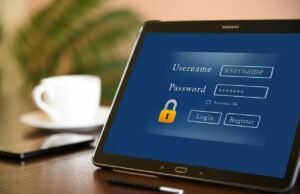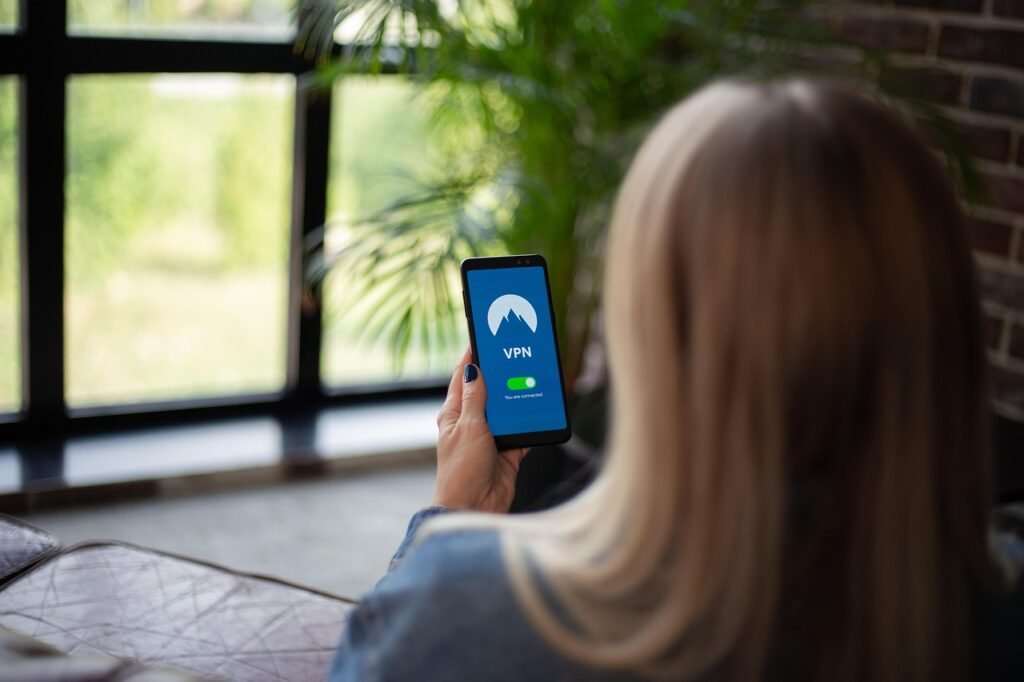
Securing your social media presence is more critical than ever in today’s digital landscape. With data breaches and account hacks becoming increasingly common, understanding and implementing robust security measures is no longer optional – it’s essential for protecting your personal information, brand reputation, and overall online safety. This guide provides practical steps and insights to fortify your social media accounts against potential threats and ensure a safer and more secure online experience.
Understanding Social Media Security Risks
Common Threats on Social Media
Social media platforms, while providing connectivity and engagement opportunities, also present various security risks. Being aware of these threats is the first step towards mitigating them.
- Phishing Attacks: Malicious actors often use social media to distribute phishing links that mimic legitimate websites. Clicking on these links can lead to the theft of your login credentials or personal information. Example: A fake promotional post from a seemingly reputable brand asking you to click a link to claim a prize.
- Malware Distribution: Social media can be a conduit for spreading malware. Infected links or files, when clicked or downloaded, can compromise your device and steal sensitive data. Example: Receiving a message with an attachment claiming to be a photo but actually containing malicious code.
- Account Hacking: Hackers can gain unauthorized access to your social media accounts through weak passwords, phishing scams, or data breaches. This can lead to identity theft, financial loss, or reputational damage. Example: A hacker uses a password leaked from another website to access your Facebook account.
- Social Engineering: Attackers use psychological manipulation to trick users into revealing confidential information or performing actions that compromise their security. Example: An impersonator posing as a friend or family member asking for your password to access an account.
- Data Breaches: Social media platforms themselves can be targets of data breaches, exposing user data such as names, email addresses, and passwords. Example: A massive data breach at LinkedIn exposing millions of user passwords.
- Fake Accounts & Bots: The proliferation of fake accounts and bots can spread misinformation, engage in fraudulent activities, and manipulate public opinion. Example: A network of bots spreading disinformation during a political campaign.
The Importance of Proactive Security Measures
Implementing proactive security measures is crucial for mitigating the risks associated with social media. Waiting until an incident occurs is often too late, as the damage may already be done.
- Protection of Personal Information: Security measures help safeguard your personal information from falling into the wrong hands, preventing identity theft and other forms of fraud.
- Preservation of Reputation: Securing your social media accounts helps protect your reputation and brand image from being tarnished by hackers or malicious actors.
- Prevention of Financial Loss: Compromised accounts can be used for financial scams, such as fraudulent purchases or phishing schemes, leading to financial loss.
- Maintenance of Trust: Secure social media practices demonstrate a commitment to protecting your followers and customers, fostering trust and loyalty.
Strengthening Your Password Security
Creating Strong and Unique Passwords
One of the most effective ways to enhance your social media security is to create strong and unique passwords for each platform.
- Length: Aim for a password that is at least 12 characters long.
- Complexity: Include a combination of uppercase and lowercase letters, numbers, and symbols. Example: `P@sswOrd123!`
- Avoid Personal Information: Do not use easily guessable information such as your name, birthdate, or pet’s name.
- Password Generators: Use a password generator to create strong and random passwords. Many password managers offer built-in generators. Example: LastPass, 1Password, or Dashlane.
Password Managers and Their Benefits
Using a password manager can greatly simplify and strengthen your password security efforts.
- Secure Storage: Password managers securely store all your passwords in an encrypted vault, protecting them from unauthorized access.
- Automatic Password Generation: They can generate strong and unique passwords for each of your accounts, ensuring maximum security.
- Auto-filling of Credentials: Password managers can automatically fill in your login credentials on websites and apps, saving you time and effort.
- Password Auditing: Many password managers offer features that audit your existing passwords and identify weak or compromised ones.
- Synchronization Across Devices: Password managers can synchronize your passwords across all your devices, allowing you to access them from anywhere.
Regularly Updating Your Passwords
Even the strongest passwords can become vulnerable over time due to data breaches or other security incidents. Regularly updating your passwords is essential for maintaining a high level of security.
- Frequency: Change your passwords at least every three to six months.
- Promptness: Immediately change your passwords if you receive a notification about a data breach affecting one of your accounts.
- Avoid Reusing Old Passwords: Do not reuse passwords that you have used in the past, as they may already be compromised.
Enabling Two-Factor Authentication (2FA)
What is Two-Factor Authentication?
Two-factor authentication (2FA) adds an extra layer of security to your social media accounts by requiring a second form of verification in addition to your password. This makes it much harder for hackers to gain unauthorized access, even if they have your password.
- Password (First Factor): The traditional method of verifying your identity.
- Second Factor: A second form of verification, such as:
A code sent to your mobile phone via SMS or authenticator app.
A biometric scan (fingerprint or facial recognition).
* A security key (USB device).
How to Enable 2FA on Popular Platforms
Most major social media platforms offer 2FA. The process for enabling it varies slightly depending on the platform, but typically involves the following steps:
- Facebook: Go to Settings & Privacy > Settings > Security and Login > Use two-factor authentication.
- Instagram: Go to Settings > Security > Two-Factor Authentication.
- Twitter: Go to Settings and privacy > Security > Two-factor authentication.
- LinkedIn: Go to Settings & Privacy > Sign-in & Security > Two-step verification.
Choosing the Right 2FA Method
There are several different methods for implementing 2FA. Consider the pros and cons of each when choosing the method that is right for you.
- SMS-based 2FA: Sends a verification code to your mobile phone via SMS. This is the most common and easiest to use method, but it is also the least secure, as SMS messages can be intercepted.
- Authenticator App: Generates a time-based one-time password (TOTP) on your mobile device. This is more secure than SMS-based 2FA, as the codes are generated offline. Examples: Google Authenticator, Authy, Microsoft Authenticator.
- Security Key: A physical device that plugs into your computer or mobile device and generates a unique authentication code. This is the most secure method of 2FA, as it is resistant to phishing attacks and man-in-the-middle attacks. Examples: YubiKey, Google Titan Security Key.
Managing Privacy Settings and Permissions
Reviewing Your Privacy Settings
Regularly reviewing your privacy settings on social media platforms is crucial for controlling who can see your posts, photos, and personal information.
- Profile Visibility: Limit who can view your profile to friends or connections only.
- Post Privacy: Choose the appropriate audience for each of your posts (public, friends, or custom).
- Tagging Permissions: Control who can tag you in posts and photos.
- Location Sharing: Disable location sharing to prevent platforms from tracking your movements.
Limiting Third-Party App Access
Many third-party apps request access to your social media accounts. Granting access to these apps can expose your data to potential security risks.
- Review App Permissions: Regularly review the list of apps that have access to your social media accounts.
- Revoke Unnecessary Permissions: Revoke permissions from apps that you no longer use or that request excessive amounts of data.
- Be Cautious When Granting Permissions: Only grant permissions to apps that you trust and that need access to your data.
Being Mindful of What You Share
Think carefully about the information you share on social media. Avoid posting sensitive information that could be used to compromise your security or identity.
- Personal Information: Avoid sharing your address, phone number, or financial information.
- Travel Plans: Be cautious about sharing your travel plans, as this could make you a target for burglars.
- Sensitive Images: Avoid posting images that could be used to blackmail or harass you.
- Oversharing: Be mindful of oversharing personal details, as this can make you vulnerable to social engineering attacks.
Staying Informed and Proactive
Keeping Software Updated
Keep your operating system, web browser, and social media apps up-to-date with the latest security patches. Software updates often include fixes for vulnerabilities that could be exploited by hackers.
- Enable Automatic Updates: Enable automatic updates for your operating system and apps to ensure that you always have the latest security patches.
- Install Security Software: Install and maintain antivirus software, firewalls, and other security tools to protect your devices from malware and other threats.
Monitoring Account Activity
Regularly monitor your social media accounts for suspicious activity, such as unauthorized logins, password changes, or unusual posts.
- Login History: Check your login history to see if there are any logins from unfamiliar locations or devices.
- Email Notifications: Enable email notifications for account activity, such as password changes or new logins.
- Report Suspicious Activity: Immediately report any suspicious activity to the social media platform.
Educating Yourself About Security Threats
Stay informed about the latest social media security threats and best practices by reading security blogs, following security experts on social media, and attending security conferences.
- Security Blogs: Follow reputable security blogs to stay up-to-date on the latest threats and vulnerabilities. Examples: KrebsOnSecurity, The Hacker News, Dark Reading.
- Security Experts: Follow security experts on social media to learn about best practices and get tips for staying safe online.
- Security Conferences: Attend security conferences to learn about the latest trends and technologies in cybersecurity.
Conclusion
Securing your social media presence is an ongoing process that requires diligence and vigilance. By understanding the risks, implementing strong security measures, and staying informed about the latest threats, you can significantly reduce your vulnerability to social media security incidents and protect your personal information, reputation, and financial well-being. Remember to regularly review your security settings, update your passwords, and be mindful of what you share online. Your proactive efforts are the best defense against the ever-evolving landscape of social media security threats.