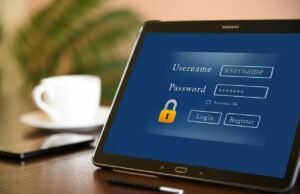
Don’t let your online security be a house of cards, ready to crumble with a single compromised password! In today’s digital landscape, managing your passwords effectively is no longer optional – it’s essential. From your bank accounts to your social media profiles, a strong and unique password acts as the first line of defense against cyber threats. This comprehensive guide will walk you through everything you need to know about password management, from understanding the risks to implementing secure strategies and leveraging the best tools available.
Why Password Management Matters
The Growing Threat of Cybercrime
Cybercrime is on the rise, and weak or reused passwords are a primary target for hackers. According to Verizon’s 2023 Data Breach Investigations Report, credentials continue to be a major attack vector. Stolen credentials are used in phishing attacks, brute-force attacks, and credential stuffing attacks, leading to significant financial losses and reputational damage.
- Phishing: Deceptive emails or websites trick you into revealing your login credentials.
Example: An email pretending to be from your bank asking you to verify your account details.
- Brute-force Attacks: Automated attempts to guess your password by trying millions of combinations.
Example: Hackers using software to try every possible password combination on a website.
- Credential Stuffing: Using leaked or stolen credentials from one website to attempt login on other websites.
Example: A hacker obtains a list of usernames and passwords from a data breach and uses them to try to log in to various online services.
The Cost of Password Reuse
Reusing the same password across multiple accounts is a dangerous practice. If one of your accounts is compromised, hackers can gain access to all your other accounts that use the same password.
- Risk Mitigation: Using unique, strong passwords for each account significantly reduces the impact of a data breach.
Remembering Multiple Passwords
It’s simply impossible to remember dozens of complex passwords. Trying to do so often leads to weak, easily guessable passwords, or the dangerous habit of writing passwords down.
- Actionable Takeaway: Accept that you need a system for managing your passwords; don’t rely on memory alone.
Creating Strong Passwords
Key Characteristics of a Strong Password
A strong password should be long, complex, and unpredictable.
- Length: Aim for at least 12 characters, but 16 or more is better.
- Complexity: Use a combination of uppercase and lowercase letters, numbers, and symbols.
- Unpredictability: Avoid using personal information, common words, or easily guessable patterns.
Practical Tips for Password Creation
- Use a Password Generator: Password generators can create strong, random passwords that are difficult to crack.
Example: Many password managers have built-in password generators.
- Create Passphrases: Passphrases are longer and easier to remember than complex passwords, but still offer strong security.
Example: “I love to eat pizza on a sunny afternoon.”
- Avoid Common Mistakes:
Don’t use your name, birthday, or pet’s name.
Don’t use sequential numbers or letters (e.g., “123456” or “abcdef”).
Don’t use common words or phrases.
- Regularly Update Passwords: Change your passwords periodically, especially for sensitive accounts.
The Importance of Two-Factor Authentication (2FA)
Enable Two-Factor Authentication (2FA) or Multi-Factor Authentication (MFA) whenever possible. This adds an extra layer of security by requiring a second verification method, such as a code sent to your phone, in addition to your password.
- 2FA Benefits: Even if your password is compromised, hackers will need access to your second authentication factor to gain access to your account.
Choosing a Password Manager
What is a Password Manager?
A password manager is a software application that securely stores your passwords and other sensitive information, such as credit card details and notes.
- Benefits of Using a Password Manager:
Secure Storage: Passwords are encrypted and stored in a secure vault.
Password Generation: Generates strong, unique passwords for each account.
Auto-Fill: Automatically fills in your usernames and passwords on websites and apps.
Convenience: Eliminates the need to remember multiple passwords.
Security Alerts: Alerts you if any of your passwords have been compromised in a data breach.
Popular Password Managers
There are many password managers available, each with its own set of features and pricing. Some popular options include:
- LastPass: A well-known password manager with a free plan and premium options.
- 1Password: A secure and feature-rich password manager with a strong focus on privacy.
- Dashlane: Offers advanced features such as VPN integration and dark web monitoring.
- Bitwarden: An open-source password manager that is both free and secure.
- Google Password Manager: A basic but convenient password manager built into the Google Chrome browser.
Evaluating Password Manager Options
When choosing a password manager, consider the following factors:
- Security: Look for a password manager with strong encryption and security features.
- Features: Consider the features that are most important to you, such as password generation, auto-fill, and 2FA support.
- Pricing: Compare the pricing plans and choose a plan that fits your budget.
- Ease of Use: Choose a password manager that is easy to use and navigate.
- Platform Compatibility: Ensure that the password manager is compatible with all your devices and browsers.
Practical Example: Setting Up 1Password
Password Management Best Practices
Regular Password Audits
Regularly audit your passwords to identify weak or reused passwords. Most password managers offer features to help you do this.
- Actionable Takeaway: Set a reminder to audit your passwords every 3-6 months.
Updating Passwords After a Data Breach
If you receive a notification that one of your accounts has been compromised in a data breach, immediately change your password for that account and any other accounts that use the same password.
- Proactive Measures: Sign up for services like Have I Been Pwned to be notified if your email address or passwords have been compromised.
Using Different Passwords for Different Accounts
Avoid reusing the same password for multiple accounts. This is one of the most important password management best practices.
- Benefit: If one account is compromised, the others remain secure.
Protecting Your Master Password
Your master password is the key to your password manager vault. It’s crucial to protect it.
- Best Practices:
Choose a strong and unique master password.
Don’t share your master password with anyone.
Don’t store your master password in plain text.
Consider using a passphrase for your master password.
Staying Informed About Security Threats
Stay informed about the latest security threats and best practices for password management.
- Resources:
Follow cybersecurity blogs and news websites.
Subscribe to security newsletters.
Attend security conferences and webinars.
Conclusion
Effective password management is a critical aspect of online security in today’s digital age. By understanding the risks associated with weak or reused passwords, creating strong and unique passwords, using a password manager, and following password management best practices, you can significantly reduce your risk of becoming a victim of cybercrime. Don’t wait until it’s too late – take action today to protect your online accounts and personal information. Implementing these strategies will provide a robust defense, giving you peace of mind and ensuring a safer online experience.