Identity theft is a growing concern in our increasingly digital world. From online shopping and social media to banking and healthcare, we constantly share personal information that can be vulnerable to malicious actors. Understanding the risks and taking proactive steps to protect your identity is crucial for safeguarding your financial well-being and personal reputation. This comprehensive guide provides valuable insights and practical strategies to help you navigate the complexities of identity protection and stay one step ahead of potential threats.
Understanding Identity Theft
What is Identity Theft?
Identity theft occurs when someone uses your personal identifying information, such as your name, Social Security number, credit card number, or other sensitive data, without your permission, to commit fraud or other crimes. This can range from opening fraudulent accounts and making unauthorized purchases to filing false tax returns and obtaining medical treatment under your name.
- Examples: A criminal obtains your credit card information and makes unauthorized purchases online. Someone uses your Social Security number to file a fraudulent tax return and claim a refund. A thief steals your driver’s license and uses it to open a bank account.
Types of Identity Theft
Identity theft can manifest in various forms, each with its own distinct characteristics and consequences.
- Financial Identity Theft: This involves using your personal information to access your existing accounts or open new accounts in your name for financial gain.
- Medical Identity Theft: Occurs when someone uses your personal information to obtain medical care, prescriptions, or insurance benefits, often leading to inaccurate medical records.
- Tax Identity Theft: Happens when a criminal uses your Social Security number to file a fraudulent tax return and claim a refund.
- Criminal Identity Theft: Involves someone using your identity when arrested, resulting in potential damage to your reputation and legal record.
- Child Identity Theft: Sadly, children’s Social Security numbers are often targeted, as they are less likely to be monitored regularly.
The Impact of Identity Theft
The consequences of identity theft can be devastating, extending beyond financial losses.
- Financial Damage: Unauthorized charges, damaged credit scores, and legal fees can be substantial.
- Emotional Distress: Victims often experience anxiety, stress, and feelings of violation.
- Time Consumption: Recovering from identity theft can be a lengthy and complex process, requiring significant time and effort.
- Reputational Harm: Criminal identity theft can lead to incorrect legal records and damage to your reputation.
Protecting Your Personal Information
Safeguarding Your Online Presence
In today’s digital age, protecting your online presence is paramount to preventing identity theft.
- Use Strong, Unique Passwords: Create complex passwords that include a combination of uppercase and lowercase letters, numbers, and symbols. Avoid using the same password for multiple accounts. Consider using a password manager to securely store your passwords.
- Enable Two-Factor Authentication (2FA): Whenever possible, enable 2FA on your accounts. This adds an extra layer of security by requiring a second form of verification, such as a code sent to your phone, in addition to your password.
- Be Cautious of Phishing Scams: Be wary of suspicious emails, text messages, or phone calls that request personal information. Never click on links or open attachments from unknown sources. Always verify the sender’s identity before providing any information.
- Secure Your Social Media Accounts: Adjust your privacy settings to limit the amount of personal information visible to the public. Be mindful of what you share online, as even seemingly innocuous details can be used to piece together your identity.
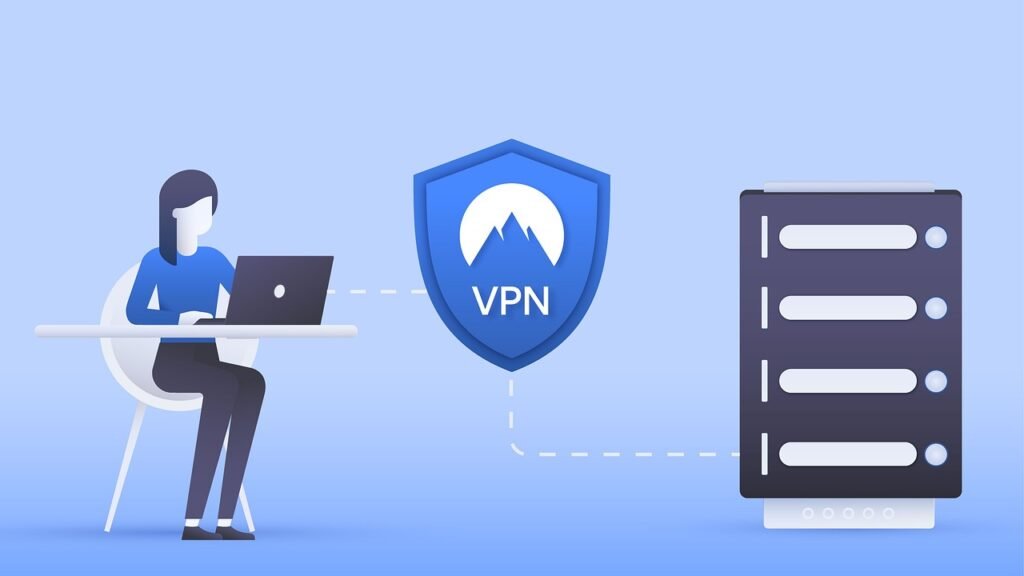
- Use a Virtual Private Network (VPN): When using public Wi-Fi networks, consider using a VPN to encrypt your internet traffic and protect your data from being intercepted.
Securing Your Physical Documents
Protecting physical documents containing your personal information is equally important.
- Shred Sensitive Documents: Before discarding any documents containing your name, address, Social Security number, bank account information, or other sensitive data, shred them thoroughly.
- Protect Your Mail: Collect your mail promptly after delivery to prevent it from being stolen. Consider using a locking mailbox or a post office box for added security.
- Secure Your Wallet and Purse: Keep your wallet and purse in a safe place and be mindful of your surroundings when using them in public. Only carry the essential cards and documents that you need.
- Store Important Documents Securely: Keep important documents, such as your Social Security card, birth certificate, and passport, in a secure location, such as a safe deposit box or a locked file cabinet.
Staying Safe on Public Wi-Fi
Public Wi-Fi networks are notoriously insecure and can expose your data to potential eavesdropping.
- Avoid Sensitive Transactions: Avoid conducting sensitive transactions, such as online banking or shopping, on public Wi-Fi networks.
- Use a VPN: A VPN encrypts your internet traffic, making it more difficult for hackers to intercept your data.
- Ensure Websites are Secure: Always make sure the website you are visiting uses HTTPS (indicated by a padlock icon in the address bar), which encrypts the communication between your browser and the website.
- Disable File Sharing: Disable file sharing on your device when connected to a public Wi-Fi network to prevent others from accessing your files.
Monitoring Your Credit and Financial Activity
Regular Credit Report Checks
Checking your credit reports regularly is a critical step in detecting and preventing identity theft.
- Obtain Free Credit Reports: You are entitled to one free credit report per year from each of the three major credit bureaus (Equifax, Experian, and TransUnion) at AnnualCreditReport.com.
- Review Your Credit Reports Carefully: Scrutinize your credit reports for any unfamiliar accounts, inquiries, or addresses. Report any discrepancies immediately to the credit bureaus and the creditors involved.
- Consider a Credit Monitoring Service: Credit monitoring services can provide real-time alerts of changes to your credit report, such as new accounts opened in your name.
Monitoring Your Bank and Credit Card Statements
Regularly reviewing your bank and credit card statements is essential for detecting fraudulent activity early on.
- Check Your Statements Online: Log in to your bank and credit card accounts online regularly to review your statements for any unauthorized transactions.
- Set Up Alerts: Set up transaction alerts to notify you of any suspicious activity on your accounts, such as large purchases or transactions from unfamiliar locations.
- Report Suspicious Activity Immediately: If you notice any unauthorized transactions on your statements, report them to your bank or credit card company immediately.
Setting Up Fraud Alerts and Credit Freezes
Fraud alerts and credit freezes are powerful tools for protecting your credit from identity theft.
- Fraud Alerts: A fraud alert requires creditors to take extra steps to verify your identity before opening a new account in your name. You can place an initial fraud alert on your credit report for one year. If you’ve been a victim of identity theft, you can place an extended fraud alert for seven years.
- Credit Freezes: A credit freeze, also known as a security freeze, prevents creditors from accessing your credit report, making it more difficult for identity thieves to open new accounts in your name. You can place a credit freeze on your credit report for free with each of the three major credit bureaus. You can temporarily lift a credit freeze if you need to apply for credit.
What to Do if You Become a Victim of Identity Theft
Immediately Report the Theft
If you suspect you’ve become a victim of identity theft, taking swift action is crucial.
- File a Police Report: File a police report with your local law enforcement agency. This will provide you with an official document to support your claims of identity theft.
- Report to the FTC: File a report with the Federal Trade Commission (FTC) at IdentityTheft.gov. The FTC provides resources and guidance to help victims of identity theft recover.
- Contact the Credit Bureaus: Contact the three major credit bureaus (Equifax, Experian, and TransUnion) to place a fraud alert on your credit report.
- Notify Your Financial Institutions: Contact your banks, credit card companies, and other financial institutions to report the identity theft and close any fraudulent accounts.
Change Your Passwords and PINs
To prevent further damage, it’s essential to change your passwords and PINs immediately.
- Change Your Passwords: Change the passwords for all of your online accounts, including your email, social media, and banking accounts.
- Change Your PINs: Change the PINs for your debit cards and credit cards.
- Use Strong, Unique Passwords: Choose strong, unique passwords that are difficult to guess.
Monitor Your Credit Reports and Accounts
Continue to monitor your credit reports and accounts closely for any signs of further fraudulent activity.
- Check Your Credit Reports Regularly: Obtain free credit reports from AnnualCreditReport.com and review them carefully for any unauthorized activity.
- Monitor Your Accounts: Regularly monitor your bank and credit card statements for any suspicious transactions.
- Consider a Credit Monitoring Service: Credit monitoring services can provide real-time alerts of changes to your credit report.
Conclusion
Protecting your identity is an ongoing process that requires vigilance and proactive measures. By understanding the risks of identity theft, implementing the strategies outlined in this guide, and staying informed about the latest threats, you can significantly reduce your risk of becoming a victim. Remember to regularly review your credit reports, monitor your financial accounts, and be cautious about sharing personal information online and offline. Taking these steps will help you safeguard your financial well-being and maintain your peace of mind in an increasingly complex digital world.