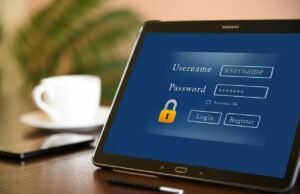
Protecting your digital life is more critical than ever. In a world where data breaches are commonplace and our devices hold a wealth of personal and professional information, understanding and implementing device encryption is no longer optional – it’s essential. This comprehensive guide will walk you through everything you need to know about device encryption, from what it is and why it matters, to how to implement it on various devices and operating systems. Get ready to take control of your data security.
Understanding Device Encryption
What is Device Encryption?
Device encryption is a security technology that transforms readable data (plaintext) on a device into an unreadable format (ciphertext). This process uses a cryptographic algorithm to scramble the data, making it inaccessible to unauthorized individuals. Only someone with the correct decryption key can convert the ciphertext back into plaintext. Think of it as locking your data inside a digital safe; only the person with the key can open it.
- Essentially, encryption protects your data at rest.
- It uses algorithms (e.g., AES – Advanced Encryption Standard) to scramble your data.
- A key is required to decrypt and access the original data.
Why is Device Encryption Important?
Device encryption offers a multitude of benefits, both for individuals and organizations:
- Data Protection: Prevents unauthorized access to sensitive information if a device is lost, stolen, or compromised. This is paramount for protecting personal information like bank details, medical records, and passwords.
- Compliance: Many regulations (e.g., GDPR, HIPAA) require organizations to implement encryption to protect sensitive data.
- Reputation Management: Avoids negative publicity and loss of customer trust resulting from data breaches.
- Competitive Advantage: Demonstrating a commitment to data security can attract and retain customers.
- Peace of Mind: Knowing your data is protected even if your device falls into the wrong hands.
Common Misconceptions about Encryption
It’s important to dispel some common myths about device encryption:
- Myth: Encryption is too complicated for the average user. Reality: Modern operating systems offer user-friendly encryption options that require minimal technical expertise.
- Myth: Encryption slows down devices significantly. Reality: Modern hardware is optimized for encryption, so performance impact is often negligible.
- Myth: Encryption protects against all threats. Reality: Encryption protects data at rest. It does not protect against malware or phishing attacks while the device is in use.
- Myth: Only businesses need encryption. Reality: Everyone who uses digital devices should encrypt their data, especially on mobile devices like phones and tablets.
Types of Device Encryption
Full-Disk Encryption (FDE)
Full-Disk Encryption encrypts the entire hard drive of a device, including the operating system, system files, and user data. This provides comprehensive protection, ensuring that no data is accessible without authentication.
- Protects everything on the drive.
- Requires authentication (password, PIN, or biometric) at boot-up.
- Widely used on laptops and desktops.
- Example: Microsoft’s BitLocker Drive Encryption, Apple’s FileVault.
File-Level Encryption
File-Level Encryption allows you to encrypt individual files or folders. This is useful when you only need to protect specific sensitive data and don’t want to encrypt the entire drive.
- Provides granular control over what is encrypted.
- Can be used in conjunction with FDE.
- Suitable for sensitive documents or financial records.
- Example: VeraCrypt, 7-Zip (with encryption option), Microsoft Office (password protection with encryption).
Mobile Device Encryption
Mobile device encryption is increasingly prevalent and crucial. Smartphones and tablets often contain sensitive personal information. Most modern mobile operating systems offer built-in encryption features.
- Usually full-disk encryption or file-based encryption by default
- May require a strong passcode or biometric authentication
- Essential for protecting personal and business data
- Example: iOS encryption, Android encryption.
Implementing Device Encryption
Encryption on Windows (BitLocker)
BitLocker Drive Encryption is a full-disk encryption feature included with certain versions of Windows (typically Pro, Enterprise, and Education editions).
- Steps to Enable BitLocker:
- Best Practices:
- Store your recovery key in a safe and secure location, separate from your device.
- Use a strong password or PIN for your BitLocker authentication.
- Regularly test your recovery key to ensure it works correctly.
Encryption on macOS (FileVault)
FileVault is Apple’s full-disk encryption feature, available on macOS.
- Steps to Enable FileVault:
- Best Practices:
- Store your recovery key in a safe and secure location, separate from your device.
- Use a strong password for your user account.
- Consider using two-factor authentication (2FA) for your iCloud account.
Encryption on Android
Android offers device encryption as a standard feature. The exact steps may vary slightly depending on the Android version and device manufacturer.
- Steps to Enable Encryption (General):
- Important Notes:
- Make sure your device is fully charged before starting the encryption process.
- Encryption can take several hours, depending on the amount of data on your device.
- Do not interrupt the encryption process, or you risk data loss.
Encryption on iOS
iOS devices (iPhones and iPads) offer encryption by default when a passcode is set. The data is encrypted using hardware encryption, which is very efficient and has minimal performance impact.
- How to Enable Encryption (iOS):
- Best Practices:
- Use a strong, complex passcode.
- Enable two-factor authentication (2FA) for your Apple ID.
- Keep your iOS software up to date to benefit from the latest security patches.
Managing Encryption Keys
Understanding Encryption Keys
Encryption keys are essential for both encrypting and decrypting data. It’s vital to manage these keys securely. A lost or compromised key can render your data inaccessible.
Key Management Strategies
- Centralized Key Management: For organizations, centralized key management systems provide a secure way to store, manage, and distribute encryption keys.
- Hardware Security Modules (HSMs): HSMs are dedicated hardware devices designed to protect cryptographic keys.
- Key Backup: Always back up your encryption keys in a secure location, separate from your device. Services like Microsoft’s account key backup and Apple’s iCloud Keychain offer convenient, secure key storage options.
- Password Managers:* If you use file-level encryption, consider using a reputable password manager to store your encryption passwords securely.
The Importance of Strong Passphrases
Even with strong encryption, a weak password can compromise your data security.
- Use a strong and unique password for your device and encryption keys.
- Consider using a password manager to generate and store complex passwords.
- Enable two-factor authentication (2FA) whenever possible for an extra layer of security.
Conclusion
Device encryption is a critical security measure for protecting sensitive data in today’s digital landscape. Whether you’re an individual user or a large organization, understanding and implementing encryption is essential for safeguarding your information and maintaining your privacy. By following the guidelines and best practices outlined in this guide, you can take proactive steps to protect your data from unauthorized access and potential data breaches. Embrace encryption – it’s an investment in your security and peace of mind.