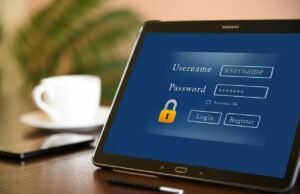
Protecting your digital life is paramount in today’s interconnected world. One of the most robust defenses you can deploy is device encryption. This crucial security measure safeguards your sensitive data, from personal photos and financial records to business-critical documents, by rendering it unreadable to unauthorized individuals. This blog post will delve into the world of device encryption, explaining what it is, why it’s important, how it works, and how you can implement it to enhance your digital security.
Understanding Device Encryption
What is Device Encryption?
Device encryption is the process of converting readable data into an unreadable format, known as ciphertext. This process uses an encryption algorithm and a cryptographic key. Only authorized individuals with the correct decryption key can revert the ciphertext back into readable plaintext. Think of it like scrambling the letters of a word; without the key to unscramble them, the word is meaningless.
Why is Device Encryption Important?
- Data Protection: Encryption shields your information from prying eyes if your device is lost, stolen, or accessed without your permission. This is especially crucial given the increasing prevalence of data breaches and cybercrime. A recent study showed that lost or stolen devices account for a significant percentage of data breaches, making encryption a vital layer of defense.
- Compliance: Many industries and regulations (e.g., HIPAA, GDPR, CCPA) require organizations to implement data encryption to protect sensitive customer or patient information. Failure to comply can lead to hefty fines and reputational damage.
- Peace of Mind: Knowing that your data is encrypted provides peace of mind, especially when traveling with devices containing sensitive information. You can rest assured that even if your laptop is stolen at the airport, your data remains safe.
- Protection from Malware: While not a primary function, some advanced encryption solutions can help prevent certain types of malware from executing or accessing sensitive data.
Device Encryption vs. File Encryption
It’s important to distinguish between device encryption and file encryption. Device encryption, as the name suggests, encrypts the entire device, including the operating system, applications, and all data. File encryption, on the other hand, encrypts individual files or folders. Device encryption offers a more comprehensive level of protection, as it secures the entire device at once.
How Device Encryption Works
The Encryption Process
Encryption algorithms, like AES (Advanced Encryption Standard), use complex mathematical formulas and cryptographic keys to transform data into ciphertext. The key is a secret piece of information used to both encrypt and decrypt the data.
Types of Encryption
- Software Encryption: This type of encryption relies on software to perform the encryption and decryption processes. Operating systems like Windows and macOS have built-in software encryption features.
- Hardware Encryption: Hardware encryption utilizes a dedicated hardware module, such as a Trusted Platform Module (TPM), to manage encryption keys and perform cryptographic operations. This can offer better performance and security compared to software encryption.
Full-Disk Encryption (FDE)
Full-Disk Encryption (FDE) is a type of device encryption that encrypts the entire storage device, including the operating system, system files, and user data. This ensures that all data on the device is protected, even when the device is powered off. FDE is the most common and recommended approach for device encryption.
Implementing Device Encryption
Enabling Encryption on Different Devices
- Windows: Windows offers BitLocker Drive Encryption, a built-in full-disk encryption feature available in Pro, Enterprise, and Education editions. To enable BitLocker, go to Control Panel -> System and Security -> BitLocker Drive Encryption. You will be prompted to create a recovery key, which is crucial in case you forget your password or encounter issues with the encryption. Store this recovery key securely (e.g., print it out and store it in a safe place, save it to a USB drive, or save it to your Microsoft account).
- macOS: macOS uses FileVault for full-disk encryption. To enable FileVault, go to System Preferences -> Security & Privacy -> FileVault. Similar to BitLocker, you will be prompted to create a recovery key.
- Android: Android devices typically offer built-in encryption options. Go to Settings -> Security -> Encryption. The exact path may vary depending on the Android version and device manufacturer. Ensure your device is plugged in and has sufficient battery life before starting the encryption process.
- iOS (iPhone/iPad): iOS devices are encrypted by default when a passcode is set. The passcode acts as the encryption key.
Best Practices for Device Encryption
- Choose a Strong Password/Passcode: A strong password or passcode is essential for effective encryption. Use a combination of upper and lowercase letters, numbers, and symbols. Avoid using easily guessable information like birthdays or pet names.
- Store Recovery Keys Securely: As mentioned earlier, recovery keys are crucial in case you forget your password or encounter issues with the encryption. Store these keys in a safe and secure location.
- Keep Your Operating System Updated: Regularly update your operating system and security software to patch vulnerabilities that could be exploited by attackers.
- Regularly Back Up Your Data: While encryption protects your data from unauthorized access, it doesn’t protect against data loss due to hardware failure or accidental deletion. Regularly back up your data to an external hard drive or cloud storage.
- Test Your Recovery Key: It’s good practice to test your recovery key to ensure that it works correctly. Some operating systems provide tools to verify the key.
- Consider Two-Factor Authentication (2FA): Even with encryption, adding 2FA to your accounts provides an extra layer of security.
Encryption and Performance
Encryption can impact device performance, especially on older hardware. However, modern processors and storage devices often include hardware-accelerated encryption, which minimizes the performance impact. The benefits of data protection generally outweigh the potential performance overhead.
Advanced Encryption Scenarios
Encryption for Removable Storage
Encrypting removable storage devices like USB drives and external hard drives is essential for protecting sensitive data that is transported or stored offsite. Tools like VeraCrypt offer robust encryption options for removable media.
Encryption in the Cloud
Cloud storage providers often offer encryption options for data stored in the cloud. While the provider usually manages the encryption keys, some services allow you to manage your own keys for enhanced security. Understand the security model of your cloud provider and choose encryption options that meet your specific needs.
Encryption for Email
Encrypting email communication can protect sensitive information from interception. S/MIME and PGP are popular email encryption standards. Email clients like Thunderbird support these standards. Some email providers also offer built-in encryption options.
Conclusion
Device encryption is a critical component of a comprehensive security strategy. By encrypting your devices, you can significantly reduce the risk of data breaches and protect your sensitive information from unauthorized access. Take the time to implement device encryption on all your devices and follow the best practices outlined in this guide to ensure the security of your digital life. Remember to choose strong passwords, securely store your recovery keys, and keep your operating systems updated. In today’s threat landscape, encryption is no longer optional; it’s an essential security measure for individuals and organizations alike.