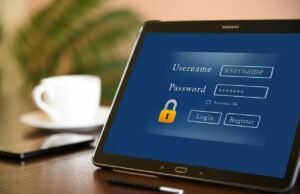
Navigating the digital world has become an integral part of our daily lives, connecting us with information, entertainment, and people across the globe. However, this interconnectedness also brings forth significant online safety challenges. Understanding and implementing robust online safety measures is crucial for protecting ourselves and our loved ones from potential threats like cyberbullying, phishing scams, malware, and identity theft. This blog post aims to provide a comprehensive guide to enhancing your online safety and fostering a secure digital environment.
Understanding Online Threats
The online world, while offering numerous benefits, is rife with potential dangers. Recognizing these threats is the first step in protecting yourself.
Phishing Scams
- Definition: Phishing scams are deceptive attempts to acquire sensitive information such as usernames, passwords, and credit card details, often disguised as legitimate communications from trusted entities.
- Examples:
An email claiming to be from your bank asking you to verify your account details by clicking on a link.
A text message alerting you to a fraudulent transaction on your credit card and urging you to call a specific number.
- Prevention:
Be wary of unsolicited emails or messages asking for personal information.
Verify the sender’s authenticity by contacting the organization directly through official channels.
Never click on suspicious links or download attachments from unknown sources.
Enable two-factor authentication for added security.
Malware and Viruses
- Definition: Malware (malicious software) and viruses are programs designed to infiltrate and damage computer systems, steal data, or disrupt operations.
- Examples:
Downloading a seemingly harmless file that installs a keylogger, recording your keystrokes.
Clicking on a malicious advertisement that redirects you to a fake website hosting malware.
- Prevention:
Install and maintain reputable antivirus software.
Keep your operating system and software applications updated.
Avoid downloading files or clicking on links from untrusted sources.
Use a firewall to monitor and control network traffic.
Cyberbullying
- Definition: Cyberbullying is the use of electronic communication to bully or harass an individual or group.
- Examples:
Spreading rumors or posting embarrassing photos or videos online.
Sending threatening or abusive messages through social media or email.
- Prevention:
Block and report cyberbullies on social media platforms.
Save evidence of cyberbullying incidents.
Talk to a trusted adult, such as a parent, teacher, or counselor.
Practice responsible online communication and treat others with respect.
Securing Your Accounts
Protecting your online accounts is essential for preventing unauthorized access and safeguarding your personal information.
Strong Passwords
- Best Practices:
Use a combination of uppercase and lowercase letters, numbers, and symbols.
Create passwords that are at least 12 characters long.
Avoid using personal information such as your name, birthday, or pet’s name.
Do not reuse the same password for multiple accounts.
- Password Managers:
Use a password manager like LastPass, 1Password, or Dashlane to generate and store strong, unique passwords.
These tools encrypt your passwords and automatically fill them in when you visit websites.
Two-Factor Authentication (2FA)
- Definition: 2FA adds an extra layer of security to your accounts by requiring a second form of verification, such as a code sent to your phone or email, in addition to your password.
- Benefits:
Significantly reduces the risk of unauthorized access, even if your password is compromised.
Available on most major online platforms, including Google, Facebook, and Amazon.
- Implementation:
Enable 2FA in your account settings for all sensitive accounts.
Consider using an authenticator app like Google Authenticator or Authy for a more secure method of generating codes.
Regularly Reviewing Account Activity
- Importance:
Monitor your account activity for any suspicious or unauthorized transactions.
Check your login history for unfamiliar IP addresses or devices.
- Actionable Steps:
Set up email or SMS alerts for new logins or password changes.
Report any suspicious activity to the platform immediately.
Protecting Your Personal Information
Safeguarding your personal information online is crucial for preventing identity theft and maintaining your privacy.
Privacy Settings on Social Media
- Configuration:
Review and adjust your privacy settings on social media platforms to control who can see your posts, profile information, and activity.
Limit the amount of personal information you share publicly.
- Examples:
Setting your Facebook posts to “Friends Only” instead of “Public.”
Disabling location tracking on Instagram.
Being Mindful of What You Share
- Considerations:
Avoid sharing sensitive information such as your home address, phone number, or financial details online.
Be cautious about posting personal details that could be used to answer security questions.
Think before you post – once something is online, it can be difficult to remove it completely.
Secure Browsing Practices
- HTTPS:
Ensure that the websites you visit use HTTPS (Hypertext Transfer Protocol Secure), which encrypts the data transmitted between your browser and the server.
Look for the padlock icon in the address bar to confirm that a website is secure.
- VPNs:
Consider using a Virtual Private Network (VPN) to encrypt your internet traffic and mask your IP address, especially when using public Wi-Fi networks.
VPNs can help protect your privacy and security by preventing eavesdropping and tracking.
Securing Your Devices and Network
Protecting your devices and network from unauthorized access is crucial for maintaining online safety.
Updating Software Regularly
- Importance:
Software updates often include security patches that address vulnerabilities and protect against malware and other threats.
Outdated software can be a major security risk.
- Actionable Steps:
Enable automatic updates for your operating system, web browsers, and other software applications.
Promptly install any available updates.
Using a Firewall
- Definition: A firewall is a security system that monitors and controls network traffic, blocking unauthorized access to your computer or network.
- Implementation:
Enable the built-in firewall on your operating system.
Consider using a hardware firewall for added protection, especially for home networks.
Securing Your Wi-Fi Network
- Password Protection:
Use a strong, unique password for your Wi-Fi network.
Change the default password of your router.
- Encryption:
Enable WPA3 (Wi-Fi Protected Access 3) encryption, which provides stronger security than older protocols like WEP and WPA.
- Guest Network:
Create a separate guest network for visitors to prevent them from accessing your main network and sensitive devices.
Educating Yourself and Others
Staying informed about the latest online threats and sharing this knowledge with others is essential for creating a safer online environment.
Staying Informed
- Resources:
Follow reputable cybersecurity blogs and news sources to stay up-to-date on the latest threats and security best practices.
Subscribe to security alerts from your antivirus software provider.
- Actionable Steps:
Regularly review your online safety practices and make adjustments as needed.
Attend online safety workshops or webinars.
Teaching Children and Seniors
- Children:
Educate children about the dangers of cyberbullying, online predators, and inappropriate content.
Teach them to protect their personal information and to be cautious about who they interact with online.
Set clear rules and guidelines for online behavior.
- Seniors:
Help seniors understand the basics of online safety, such as recognizing phishing scams and creating strong passwords.
Teach them how to use privacy settings and to be wary of suspicious emails or messages.
* Provide ongoing support and guidance.
Conclusion
In conclusion, online safety is an ongoing process that requires vigilance, awareness, and proactive measures. By understanding the common threats, securing your accounts and devices, protecting your personal information, and staying informed, you can significantly reduce your risk of becoming a victim of cybercrime. Remember to regularly review and update your online safety practices to adapt to the ever-evolving digital landscape. Taking these steps will empower you to navigate the online world with confidence and security.