
Protecting your identity in today’s digital world is no longer optional; it’s a necessity. With data breaches becoming increasingly common and sophisticated, understanding and implementing robust identity protection measures is crucial for safeguarding your personal and financial well-being. This guide provides a comprehensive overview of identity protection, covering everything from understanding the risks to actionable steps you can take to stay safe.
Understanding Identity Theft and Its Risks
What is Identity Theft?
Identity theft occurs when someone steals your personal information, such as your Social Security number, credit card details, or bank account information, and uses it without your permission. This can lead to various types of fraud, including:
- Financial fraud (e.g., opening credit accounts, making purchases)
- Government benefits fraud (e.g., claiming unemployment benefits)
- Medical identity theft (e.g., obtaining medical care)
- Criminal identity theft (e.g., providing false identification to law enforcement)
The Impact of Identity Theft
The impact of identity theft can be devastating, both financially and emotionally. Victims may experience:
- Damage to their credit score, making it difficult to obtain loans, mortgages, or even rent an apartment.
- Significant financial losses due to fraudulent transactions and unpaid bills.
- Hours of time spent resolving the issues with banks, credit bureaus, and other institutions.
- Emotional distress, anxiety, and a feeling of violation.
According to the Federal Trade Commission (FTC), identity theft is consistently one of the top consumer complaints, highlighting the widespread nature of this issue. In 2023, the FTC received over 1 million reports of identity theft.
Common Ways Identity Theft Occurs
Identity theft can occur through various means, including:
- Phishing: Deceptive emails or text messages designed to trick you into providing personal information. Example: A fake email from your bank asking you to verify your account details.
- Data Breaches: Security incidents where large amounts of personal data are stolen from companies or organizations. Example: A retailer’s database being hacked, exposing customer credit card information.
- Malware: Malicious software that can steal your passwords, financial information, and other sensitive data. Example: Downloading a seemingly harmless app that secretly installs a keylogger on your computer.
- Physical Theft: Stealing wallets, purses, mail, or documents containing personal information. Example: A thief stealing your mailbox to obtain bank statements or credit card offers.
- Social Engineering: Manipulating individuals into divulging confidential information. Example: A scammer calling you pretending to be from the IRS and demanding immediate payment.
Protecting Your Personal Information Online
Strong Passwords and Two-Factor Authentication
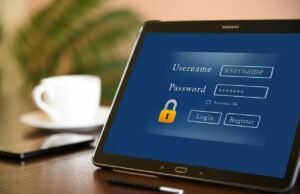
One of the most important steps you can take to protect your identity online is to use strong, unique passwords for each of your accounts. A strong password should be:
- At least 12 characters long
- A combination of uppercase and lowercase letters, numbers, and symbols
- Not easily guessable (e.g., not your birthday, pet’s name, or common words)
Consider using a password manager to generate and store your passwords securely. Additionally, enable two-factor authentication (2FA) whenever possible. 2FA adds an extra layer of security by requiring a second verification method, such as a code sent to your phone, in addition to your password. Practical example: enabling 2FA on your Google account and using Google Authenticator.
Safe Browsing Habits
Adopting safe browsing habits can significantly reduce your risk of falling victim to online scams and malware:
- Be cautious of suspicious emails and links. Don’t click on links or open attachments from unknown senders.
- Verify the legitimacy of websites before entering personal information. Look for the “https” in the website address and the padlock icon in the browser’s address bar.
- Keep your software up to date. Install security updates for your operating system, browser, and other applications regularly.
- Use a reputable antivirus program and keep it updated.
Secure Your Social Media
Social media platforms can be a goldmine of information for identity thieves. To protect your privacy:
- Review and adjust your privacy settings to limit who can see your posts and personal information.
- Be careful about what you share online. Avoid posting sensitive information such as your address, phone number, or vacation plans.
- Be wary of friend requests from people you don’t know. Scammers often create fake profiles to gather information.
Monitoring Your Credit and Finances
Credit Reports and Credit Scores
Regularly monitoring your credit report is crucial for detecting and addressing identity theft. You are entitled to a free credit report from each of the three major credit bureaus (Equifax, Experian, and TransUnion) once per year through AnnualCreditReport.com. Review your credit reports carefully for any unauthorized accounts, inquiries, or other suspicious activity. Also, monitor your credit score for unexpected drops, which can be a sign of fraud.
Credit Monitoring Services
Consider using a credit monitoring service to receive alerts when changes occur to your credit report, such as new accounts being opened or credit inquiries being made. While these services typically come with a fee, they can provide an added layer of protection. Many banks and credit card companies also offer free credit monitoring to their customers.
Monitoring Bank and Credit Card Statements
Regularly review your bank and credit card statements for any unauthorized transactions. Report any suspicious activity to your bank or credit card company immediately. Set up transaction alerts to receive notifications when purchases are made or when your account balance falls below a certain level.
Responding to Identity Theft
Immediate Steps to Take
If you suspect that you have been a victim of identity theft, take the following steps immediately:
- Report the incident to the Federal Trade Commission (FTC) at IdentityTheft.gov. This will provide you with an official report and recovery plan.
- Contact the credit bureaus (Equifax, Experian, and TransUnion) and place a fraud alert on your credit report. This will require creditors to take extra steps to verify your identity before opening new accounts in your name.
- File a police report.
- Contact your bank and credit card companies to report any unauthorized transactions and close any compromised accounts.
- Change your passwords for all of your online accounts.
- Consider placing a credit freeze on your credit report. A credit freeze prevents access to your credit report, making it more difficult for identity thieves to open new accounts in your name.
Ongoing Recovery
Recovering from identity theft can be a lengthy process. Be prepared to:
- Work with creditors and credit bureaus to dispute fraudulent charges and remove inaccurate information from your credit report.
- Keep detailed records of all communications and documentation related to the identity theft incident.
- Consider consulting with an attorney or credit counselor for assistance.
- Be patient and persistent. It may take time to resolve all of the issues caused by identity theft.
Conclusion
Protecting your identity requires a proactive and vigilant approach. By understanding the risks, implementing the security measures outlined above, and regularly monitoring your credit and finances, you can significantly reduce your risk of becoming a victim of identity theft. Stay informed, stay alert, and take action to protect your personal information in today’s digital world.