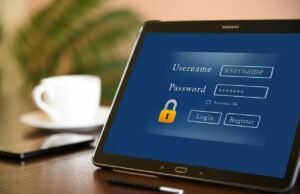
Protecting your personal data in today’s digital age is no longer a luxury, but a necessity. From online shopping and social media to healthcare and financial transactions, our personal information is constantly being collected, processed, and shared. Understanding your rights and taking proactive measures to safeguard your data is crucial to maintaining your privacy and security in an increasingly interconnected world. This guide delves into the intricacies of personal data protection, providing you with the knowledge and tools you need to navigate the digital landscape safely and responsibly.
Understanding Personal Data
What Constitutes Personal Data?
Personal data is any information that relates to an identified or identifiable natural person. This can include:
- Name
- Address
- Email address
- Phone number
- Date of birth
- Location data
- IP address
- Online identifiers
- Financial information
- Medical records
- Biometric data
Essentially, any piece of information that can be used, alone or in combination with other information, to identify you is considered personal data. The definition is broad and encompasses a wide range of information. For example, your purchase history on an e-commerce website is personal data because it’s linked to your account. Even seemingly innocuous data, like your browsing history, can be considered personal data if it can be traced back to you.
The Value of Personal Data
Personal data is valuable. It fuels targeted advertising, personalized services, and data-driven decision-making for businesses. Companies collect and analyze personal data to:
- Improve their products and services
- Personalize user experiences
- Target advertising campaigns more effectively
- Understand customer behavior
- Develop new products and services
However, this value also makes personal data a target for malicious actors. Data breaches and cyberattacks can expose sensitive personal information, leading to identity theft, financial fraud, and other serious consequences.
Key Principles of Data Protection
Transparency and Consent
Data protection laws, such as the General Data Protection Regulation (GDPR) in Europe, emphasize the importance of transparency. Individuals have the right to know:
- What personal data is being collected
- How it will be used
- Who it will be shared with
- How long it will be retained
- Consent is another crucial principle. Organizations must obtain your explicit consent before collecting and processing your personal data, especially for purposes that are not necessary for providing a requested service. For example, if a website wants to use your data for marketing purposes, they need to ask for your permission and provide you with a clear and easy way to withdraw your consent.
Data Minimization and Purpose Limitation
Data minimization means that organizations should only collect the data that is necessary for the specific purpose for which it is being collected. They shouldn’t ask for more information than they need.
- Purpose limitation dictates that personal data should only be used for the purpose for which it was originally collected. If an organization wants to use your data for a new purpose, they generally need to obtain your consent again. For example, if you provided your email address for order updates on a website, the website shouldn’t then automatically add you to their marketing newsletter list without your explicit consent.
Data Security and Accountability
Organizations are responsible for implementing appropriate technical and organizational measures to protect personal data from unauthorized access, use, disclosure, alteration, or destruction. This includes:
- Encryption
- Access controls
- Data loss prevention measures
- Regular security audits
- Incident response plans
Accountability means that organizations must be able to demonstrate compliance with data protection laws. They need to have policies and procedures in place to ensure that personal data is handled responsibly.
Your Rights as a Data Subject
Right to Access
You have the right to access your personal data held by an organization. This allows you to:
- Confirm whether the organization is processing your data
- Obtain a copy of your data
- Learn about the purposes of the processing
- Find out who your data is being shared with
To exercise this right, you can submit a data subject access request (DSAR) to the organization. They are typically required to respond within a specified timeframe (e.g., one month under GDPR).
Right to Rectification
If your personal data is inaccurate or incomplete, you have the right to have it corrected. For instance, if a company has an old address on file for you, you can request that they update it.
Right to Erasure (Right to be Forgotten)
In certain circumstances, you have the right to have your personal data erased. This right applies when:
- The data is no longer necessary for the purpose for which it was collected
- You withdraw your consent
- The data has been unlawfully processed
- There is a legal obligation to erase the data
The right to erasure is not absolute and may not apply in all situations. For example, organizations may need to retain data for legal or regulatory reasons.
Right to Restriction of Processing
You have the right to restrict the processing of your personal data in certain situations, such as when you dispute the accuracy of the data or when the processing is unlawful.
Right to Data Portability
You have the right to receive your personal data in a structured, commonly used, and machine-readable format and to transmit that data to another controller. This allows you to easily move your data between different services.
Right to Object
You have the right to object to the processing of your personal data in certain situations, such as when the processing is based on the organization’s legitimate interests or for direct marketing purposes.
Practical Steps for Protecting Your Personal Data
Strong Passwords and Two-Factor Authentication
- Use strong, unique passwords for all your online accounts. A strong password should be at least 12 characters long and include a mix of uppercase and lowercase letters, numbers, and symbols.
- Enable two-factor authentication (2FA) whenever possible. 2FA adds an extra layer of security to your accounts by requiring a second form of verification, such as a code sent to your phone, in addition to your password.
Privacy Settings and Data Minimization
- Review and adjust the privacy settings on your social media accounts, online services, and apps. Limit the amount of personal information you share publicly.
- Be mindful of the data you share online. Only provide personal information when it is necessary and avoid sharing sensitive information on unencrypted websites.
- Use privacy-focused search engines and browsers. DuckDuckGo, for example, does not track your search history or personalize search results based on your personal data.
Software Updates and Antivirus Protection
- Keep your software and operating systems up to date. Software updates often include security patches that fix vulnerabilities that could be exploited by hackers.
- Install and maintain reputable antivirus software on your devices. Antivirus software can help protect your devices from malware and other threats.
Be Wary of Phishing and Scams
- Be cautious of phishing emails, texts, and phone calls. Phishing scams attempt to trick you into revealing personal information by impersonating legitimate organizations.
- Never click on links or open attachments from unknown senders.
- Be skeptical of offers that seem too good to be true.
Regularly Review Data Protection Policies
- Take the time to read the data protection policies of the websites and services you use. Understand how they collect, use, and protect your personal data.
- Exercise your rights as a data subject. If you have concerns about how an organization is handling your personal data, contact them to ask questions or submit a data subject access request.
Conclusion
Protecting your personal data is an ongoing process that requires vigilance and awareness. By understanding your rights, taking proactive security measures, and staying informed about the latest threats, you can significantly reduce your risk of becoming a victim of data breaches and identity theft. Remember to regularly review your privacy settings, use strong passwords, and be cautious of phishing scams. By taking control of your personal data, you can navigate the digital world with greater confidence and security.