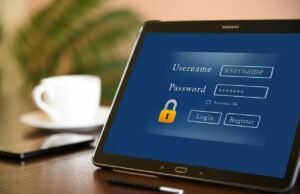
Authentication is the digital gatekeeper, ensuring that only authorized users gain access to sensitive data and systems. With increasing cybersecurity threats, understanding the various authentication methods available is more crucial than ever. Choosing the right authentication strategy can significantly impact your organization’s security posture, user experience, and compliance efforts.
What is Authentication?
The Core Concept
Authentication is the process of verifying that a user is who they claim to be. It establishes the identity of a user, device, or process attempting to access a resource. This is distinct from authorization, which determines what the authenticated user is allowed to do. Authentication precedes authorization; you need to prove who you are before being granted permission to access specific resources.
Why is Authentication Important?
Strong authentication mechanisms are fundamental to securing digital assets. Without proper authentication, malicious actors could easily impersonate legitimate users and gain unauthorized access to sensitive data, systems, and applications. This can lead to:
- Data breaches and financial losses
- Reputational damage
- Compliance violations (e.g., GDPR, HIPAA)
- Operational disruptions
The Three Factors of Authentication
Authentication factors are categories of credentials used to verify a user’s identity. Generally, these fall into three categories:
- Something you know: Passwords, PINs, security questions.
- Something you have: Smart cards, security tokens, mobile devices.
- Something you are: Biometrics (fingerprints, facial recognition, voice recognition).
Using a combination of these factors significantly strengthens authentication and reduces the risk of unauthorized access.
Common Authentication Methods
Password-Based Authentication
This is the most widely used authentication method, relying on users creating and remembering passwords.
- Strengths: Relatively easy to implement and familiar to users.
- Weaknesses: Susceptible to password cracking, phishing attacks, and social engineering. Users often choose weak or easily guessable passwords. Password reuse across multiple sites is a significant vulnerability.
- Practical Example: Encourage users to create strong passwords (at least 12 characters, including uppercase and lowercase letters, numbers, and symbols). Enforce password complexity requirements and regular password resets. Consider using a password manager to help users generate and store strong, unique passwords.
Multi-Factor Authentication (MFA)
MFA requires users to provide two or more authentication factors to verify their identity.
- Benefits: Significantly enhances security compared to single-factor authentication. Even if one factor is compromised, the attacker still needs to bypass the other factors.
- Common MFA Methods:
One-Time Passwords (OTPs): Generated by an authenticator app (e.g., Google Authenticator, Authy) or sent via SMS.
Hardware Tokens: Physical devices that generate OTPs.
Push Notifications: Sent to a user’s mobile device, requiring them to approve the login attempt.
Biometrics: Using fingerprint scanners, facial recognition, or voice recognition as a secondary authentication factor.
- Practical Example: Implement MFA for all critical applications and systems, especially those handling sensitive data. Encourage users to choose strong authentication methods, such as authenticator apps or hardware tokens, over SMS-based OTPs (which are vulnerable to SIM swapping attacks).
Biometric Authentication
Biometrics uses unique biological characteristics to identify and authenticate users.
- Types of Biometrics:
Fingerprint Scanning: Analyzing fingerprint patterns.
Facial Recognition: Identifying users based on facial features.
Voice Recognition: Verifying users based on voice patterns.
Iris Scanning: Analyzing iris patterns.
Retinal Scanning: Analyzing retinal blood vessel patterns.
- Advantages: Stronger security compared to passwords, as biometric data is difficult to forge or steal. Convenient for users, as they don’t need to remember passwords.
- Disadvantages: Can be expensive to implement. Concerns about privacy and data security (how biometric data is stored and protected). Potential for false positives and false negatives.
- Practical Example: Use biometric authentication for devices and applications where security is paramount, such as accessing secure facilities or handling financial transactions. Ensure that biometric data is encrypted and stored securely, and that users are informed about how their data is being used.
Certificate-Based Authentication
This method uses digital certificates to verify the identity of users or devices.
- How it works: A certificate authority (CA) issues digital certificates to users or devices. These certificates contain information about the identity of the user or device, as well as a public key. When a user or device attempts to access a resource, the server verifies the certificate by checking its validity and signature.
- Advantages: Stronger security than passwords, as certificates are difficult to forge. Can be used for both user and device authentication.
- Disadvantages: Requires a Public Key Infrastructure (PKI) to manage certificates, which can be complex and expensive to set up and maintain.
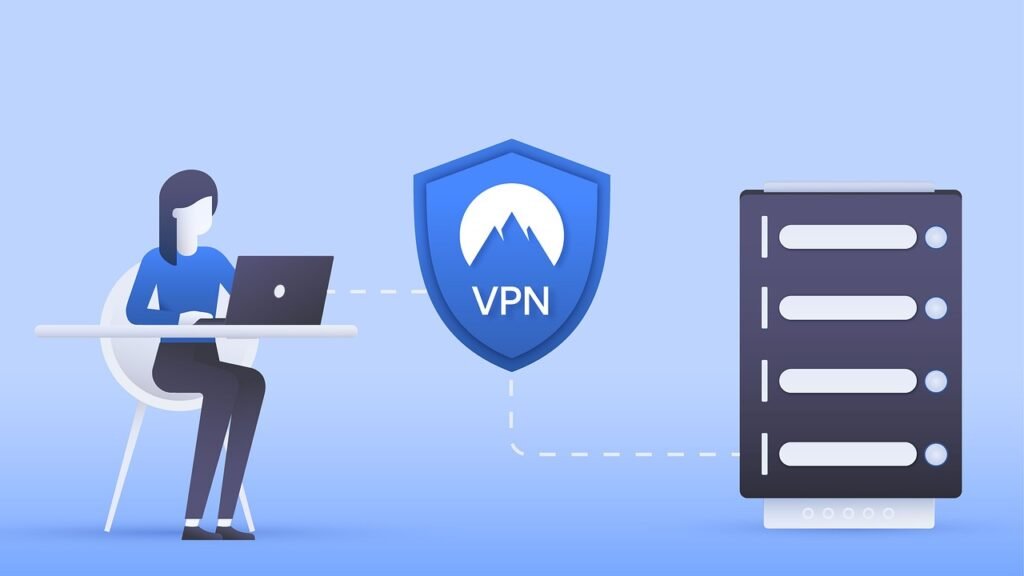
- Practical Example: Use certificate-based authentication for VPN access, Wi-Fi network access, and accessing sensitive applications. Consider using a managed PKI service to simplify certificate management.
Token-Based Authentication (OAuth and JWT)
Token-based authentication uses tokens (such as JSON Web Tokens – JWTs) to represent a user’s identity after they have been authenticated. OAuth (Open Authorization) is a framework that allows users to grant third-party applications limited access to their resources on another service without sharing their credentials.
- How it works:
1. The user authenticates with the identity provider (e.g., Google, Facebook).
2. The identity provider issues a token to the application.
3. The application uses the token to access the user’s resources on the identity provider.
- Benefits: Enables single sign-on (SSO), where users can log in to multiple applications with a single set of credentials. Improves security by reducing the need to store passwords. Allows users to control which applications have access to their data.
- Drawbacks: Requires careful implementation to prevent vulnerabilities, such as token theft or replay attacks. Can add complexity to the application architecture.
- Practical Example: Use OAuth for integrating with social media platforms, allowing users to log in to your application using their existing accounts. Use JWTs for securing APIs, ensuring that only authorized clients can access your resources. Implement proper token validation and revocation mechanisms to prevent security vulnerabilities.
Choosing the Right Authentication Method
Factors to Consider
Selecting the appropriate authentication method depends on several factors, including:
- Security Requirements: The sensitivity of the data being protected.
- User Experience: The ease of use and convenience for users.
- Cost: The cost of implementing and maintaining the authentication method.
- Compliance Requirements: Regulatory requirements (e.g., GDPR, HIPAA).
- Scalability: The ability to scale the authentication method as the organization grows.
Best Practices
- Implement Multi-Factor Authentication (MFA): For all critical applications and systems.
- Use Strong Passwords: Enforce password complexity requirements and regular password resets.
- Securely Store Passwords: Use strong hashing algorithms and salting.
- Regularly Review and Update Authentication Policies: To address emerging threats and vulnerabilities.
- Educate Users: About the importance of strong authentication and best practices.
- Implement Least Privilege: Grant users only the minimum level of access required to perform their job functions.
Conclusion
Authentication is a critical component of any security strategy. By understanding the various authentication methods available and carefully considering your organization’s specific needs, you can choose the most appropriate solutions to protect your data, systems, and users. Implementing strong authentication practices is an ongoing process that requires continuous monitoring, evaluation, and adaptation to evolving threats. By prioritizing authentication, you can significantly reduce your risk of data breaches and other security incidents.