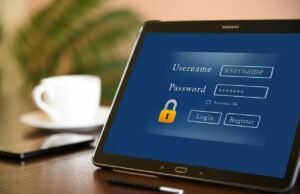
Imagine your body as your personal network, and infections as cyber threats. Just as you practice personal hygiene to stay healthy, you need to practice good cyber hygiene to protect your digital life. In today’s interconnected world, where we rely on computers, smartphones, and the internet for almost everything, maintaining strong cyber hygiene is more critical than ever. This blog post will delve into the essential aspects of cyber hygiene, providing you with actionable steps to bolster your online security and keep your data safe from cyber threats.
What is Cyber Hygiene?
Understanding the Core Concept
Cyber hygiene refers to the routine practices and habits users should adopt to maintain the health and security of their digital devices and online presence. It’s the equivalent of washing your hands regularly to prevent the spread of germs, but in the digital realm. Good cyber hygiene practices minimize vulnerabilities and reduce the risk of falling victim to cyberattacks.
Why is Cyber Hygiene Important?
- Protects Your Data: Prevents unauthorized access to your personal and financial information.
- Reduces the Risk of Cyberattacks: Lowers your susceptibility to malware, phishing, and other cyber threats.
- Maintains Device Performance: Helps keep your devices running smoothly and efficiently.
- Safeguards Your Reputation: Prevents your accounts from being compromised and used for malicious activities.
- Ensures Business Continuity: Protects business data and systems from disruptions caused by cyber incidents. A data breach can be costly, with the average cost reaching $4.24 million globally, according to IBM’s Cost of a Data Breach Report 2021.
Essential Cyber Hygiene Practices
Strong Password Management
#### Creating Robust Passwords
Weak passwords are a common entry point for cyberattacks. Creating strong, unique passwords for each of your accounts is crucial.
- Use a combination of uppercase and lowercase letters, numbers, and symbols. For example, instead of “password123,” try “P@sswOrd!2023.”
- Avoid using personal information like your name, birthday, or pet’s name.
- Make your passwords at least 12 characters long. The longer the password, the harder it is to crack.
#### Password Managers: Your Best Friend
Remembering multiple complex passwords can be challenging. Password managers can help by securely storing and generating strong passwords for you.
- Popular Options: LastPass, 1Password, Dashlane.
- Benefits:
Generates and stores strong, unique passwords for each site.
Automatically fills in your login credentials.
Offers secure password sharing with trusted individuals.
Reduces the risk of password reuse.
Software Updates and Patch Management
#### Why Updates Matter
Software updates often include security patches that address vulnerabilities discovered in previous versions. Failing to update your software leaves you exposed to known exploits.
- Timely Updates: Install updates for your operating system, web browser, applications, and antivirus software as soon as they are available.
- Automatic Updates: Enable automatic updates whenever possible to ensure you always have the latest security patches.
- Example: A critical vulnerability in Zoom allowed attackers to execute arbitrary code on users’ computers if they didn’t update their software.
#### Patch Management for Businesses
For businesses, a comprehensive patch management strategy is essential.
- Inventory and Tracking: Keep track of all software and hardware assets.
- Vulnerability Scanning: Regularly scan for vulnerabilities in your systems.
- Prioritization: Prioritize patching critical vulnerabilities first.
- Testing: Test patches in a non-production environment before deploying them to production systems.
Malware Protection and Prevention
#### Antivirus Software
Antivirus software is your first line of defense against malware. It scans your system for malicious software, such as viruses, worms, and Trojans, and removes them.
- Choose a Reputable Antivirus: Select a reputable antivirus program with real-time scanning capabilities.
- Keep it Updated: Ensure your antivirus software is always up-to-date with the latest virus definitions.
- Run Regular Scans: Schedule regular full system scans to detect and remove any hidden threats.
#### Being Cautious Online
Safe browsing habits are crucial to prevent malware infections.
- Avoid Suspicious Links: Be wary of clicking on links from unknown sources, especially in emails and social media.
- Download from Official Sources: Only download software and files from official websites or trusted app stores.
- Be Careful with Attachments: Avoid opening email attachments from unknown senders.
- Use a Browser Extension: Consider using a browser extension like “Web of Trust” to identify potentially malicious websites.
Secure Network Practices
#### Using a Firewall
A firewall acts as a barrier between your computer and the internet, blocking unauthorized access.
- Enable Your Firewall: Ensure your firewall is enabled on your computer and router. Most operating systems have built-in firewalls.
- Configure Your Firewall: Configure your firewall to allow only necessary traffic and block everything else.
#### Securing Your Wi-Fi Network
An insecure Wi-Fi network can expose your data to eavesdropping and unauthorized access.
- Use a Strong Password: Set a strong password for your Wi-Fi network using WPA3 encryption (if available).
- Change the Default SSID: Change the default Service Set Identifier (SSID) of your Wi-Fi network to something unique.
- Enable Guest Network: Use the guest network feature for visitors to keep your main network secure.
#### VPN for Public Wi-Fi
When using public Wi-Fi networks, use a Virtual Private Network (VPN) to encrypt your internet traffic and protect your data.
- How VPNs Work: VPNs create a secure tunnel between your device and the internet, encrypting your data and masking your IP address.
- Reputable VPN Providers: NordVPN, ExpressVPN, Surfshark.
Data Backup and Recovery
#### Why Backups are Essential
Data loss can occur due to hardware failure, cyberattacks, or accidental deletion. Regular backups ensure you can recover your data in case of an incident.
- Types of Backups:
Full Backups: Back up all your data.
Incremental Backups: Back up only the changes since the last backup.
* Differential Backups: Back up all the changes since the last full backup.
#### Backup Strategies
- The 3-2-1 Rule: Keep three copies of your data, on two different media, with one copy offsite.
- Cloud Backup: Use cloud-based backup services like Google Drive, OneDrive, or Dropbox to store your backups offsite.
- External Hard Drives: Back up your data to an external hard drive and store it in a secure location.
#### Testing Your Backups
Regularly test your backups to ensure they are working properly and that you can restore your data successfully.
Conclusion
In today’s digital age, cyber hygiene is no longer optional; it’s a necessity. By implementing these essential practices – strong password management, timely software updates, malware protection, secure network practices, and regular data backups – you can significantly reduce your risk of falling victim to cyber threats. Make cyber hygiene a routine part of your digital life and stay protected in the ever-evolving cyber landscape. The time and effort you invest in cyber hygiene will undoubtedly pay off in the long run, safeguarding your personal information, protecting your devices, and ensuring a safer online experience.