Connecting to Wi-Fi is something we do multiple times a day, often without a second thought. Whether you’re checking emails at your local coffee shop, working remotely from home, or streaming videos on vacation, secure Wi-Fi access is crucial for protecting your personal information and online activities. But how secure is your Wi-Fi connection, really? This guide provides a comprehensive overview of how to ensure your Wi-Fi is safe from prying eyes and potential cyber threats.
Understanding Wi-Fi Security Risks
The Dangers of Unsecured Networks
Using unsecured Wi-Fi networks, often found in public places like cafes, airports, and hotels, poses significant risks. These networks typically lack encryption, meaning data transmitted over them is vulnerable to interception.
- Man-in-the-Middle Attacks: Hackers can position themselves between you and the Wi-Fi access point, intercepting your data.
- Data Theft: Passwords, credit card details, and other sensitive information can be stolen.
- Malware Distribution: Hackers can inject malicious software into your devices.
- Eavesdropping: Your online activity, including websites visited and messages sent, can be monitored.
According to a study by Norton, approximately 44% of consumers use public Wi-Fi, often engaging in risky activities such as checking bank accounts or shopping online. This highlights the widespread vulnerability and the importance of understanding and mitigating the risks associated with unsecured networks.
Common Wi-Fi Security Vulnerabilities
Even seemingly secure Wi-Fi networks at home or in the office can be vulnerable if not properly configured and maintained.
- Weak Passwords: Easy-to-guess passwords are a primary target for attackers.
- Outdated Firmware: Router firmware updates often include security patches; neglecting these updates leaves your network exposed.
- Default Router Settings: Using default usernames and passwords makes it easy for hackers to gain access.
- Lack of Encryption: Using outdated encryption protocols like WEP leaves your network vulnerable to cracking.
Securing Your Home Wi-Fi Network
Choosing a Strong Password
Your Wi-Fi password, also known as your network key, is the first line of defense against unauthorized access. A strong password should be:
- Long: Aim for at least 12 characters.
- Complex: Include a mix of uppercase and lowercase letters, numbers, and symbols.
- Unique: Do not reuse passwords from other accounts.
- Regularly Changed: Update your password every few months to maintain security.
Example: Instead of using “password123,” try something like “S@f3Netw0rk!2024”. Consider using a password manager to generate and store strong, unique passwords.
Enabling WPA3 Encryption
Wi-Fi Protected Access 3 (WPA3) is the latest and most secure Wi-Fi encryption protocol. It offers several improvements over its predecessors, WPA2 and WEP.
- Stronger Encryption: WPA3 uses more robust encryption algorithms, making it harder for hackers to crack passwords.
- Individualized Data Encryption: Even on public networks, WPA3 can encrypt data between your device and the access point, reducing the risk of interception.
- Simplified Password Setup: WPA3 simplifies the process of connecting devices to your network, making it easier to secure your Wi-Fi.
To enable WPA3, access your router’s settings through a web browser (usually by typing 192.168.1.1 or 192.168.0.1 into the address bar). Navigate to the wireless security settings and select WPA3 as the encryption protocol. If your router does not support WPA3, consider upgrading to a newer model.
Keeping Your Router Firmware Updated
Router manufacturers regularly release firmware updates to address security vulnerabilities and improve performance. Keeping your router’s firmware up-to-date is crucial for maintaining a secure network.
- Automatic Updates: Enable automatic firmware updates in your router’s settings if available.
- Manual Updates: Regularly check your router manufacturer’s website for new firmware releases and follow their instructions for installation.
- Security Patches: Firmware updates often include critical security patches that protect against known vulnerabilities.
Failing to update your firmware can leave your network vulnerable to exploits. Imagine your router is like a computer – it needs regular software updates to stay protected from viruses and malware.
Disabling WPS (Wi-Fi Protected Setup)
Wi-Fi Protected Setup (WPS) is a feature designed to simplify the process of connecting devices to your Wi-Fi network. However, it has known security vulnerabilities and should be disabled.
- PIN Vulnerabilities: WPS uses an eight-digit PIN that is susceptible to brute-force attacks, allowing hackers to gain access to your network.
- Disable WPS: Access your router’s settings and disable the WPS feature to prevent potential security breaches.
Although WPS is convenient, the security risks outweigh the benefits. Disabling WPS is a simple yet effective way to enhance your network security.
Secure Public Wi-Fi Usage
Using a Virtual Private Network (VPN)
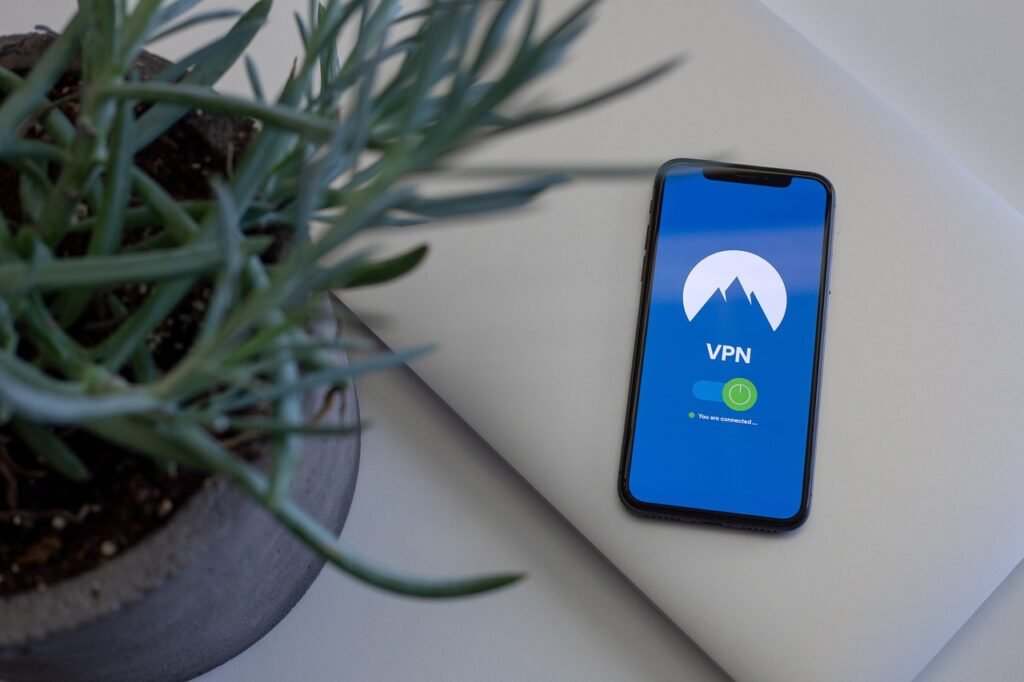
A Virtual Private Network (VPN) creates a secure, encrypted connection between your device and a remote server, protecting your data from interception on public Wi-Fi networks.
- Encryption: VPNs encrypt all data transmitted between your device and the VPN server, preventing eavesdropping.
- IP Address Masking: VPNs mask your IP address, making it harder to track your online activity.
- Bypassing Restrictions: VPNs can be used to bypass geographic restrictions and access content that may be blocked in your location.
Example: When connecting to a public Wi-Fi network at a coffee shop, launch your VPN app and connect to a server before browsing the internet. This ensures that your data is encrypted and protected from potential eavesdroppers.
Enabling HTTPS
HTTPS (Hypertext Transfer Protocol Secure) is a secure version of HTTP that encrypts data transmitted between your browser and the website you are visiting. Ensure that websites you visit use HTTPS.
- Check for the Padlock Icon: Look for the padlock icon in the address bar of your browser to verify that a website is using HTTPS.
- HTTPS Everywhere: Install the HTTPS Everywhere browser extension, which automatically encrypts your communications with websites that support HTTPS.
Many websites now default to HTTPS, but it’s always a good practice to verify that you are using a secure connection, especially when entering sensitive information such as login credentials or credit card details.
Avoiding Sensitive Transactions
While using public Wi-Fi, avoid conducting sensitive transactions such as online banking, shopping, or accessing confidential work documents, even with a VPN.
- Delay Sensitive Activities: Wait until you are on a secure, private network to conduct sensitive transactions.
- Minimize Information Sharing: Avoid entering personal information on websites while using public Wi-Fi.
Public Wi-Fi networks are inherently less secure than private networks, so it’s best to minimize your risk by avoiding sensitive activities altogether.
Verifying Network Names
Hackers sometimes create fake Wi-Fi networks that mimic legitimate ones to trick users into connecting. Always verify the network name with a trusted source before connecting.
- Confirm with Staff: Ask a staff member at the establishment about the correct Wi-Fi network name.
- Be Wary of Similar Names: Be cautious of network names that are slightly different from the legitimate one, as they could be phishing attempts.
For example, if you’re at a coffee shop and the official Wi-Fi network is “CoffeeShop,” be wary of networks named “CoffeeShop Free Wi-Fi” or “CoffeeShop Guest.”
Maintaining Device Security
Keeping Your Operating System and Software Updated
Regularly update your operating system (OS) and software to patch security vulnerabilities and protect against malware.
- Automatic Updates: Enable automatic updates for your OS and software applications.
- Promptly Install Updates: Install updates as soon as they are available.
- Security Patches: Updates often include critical security patches that address known vulnerabilities.
Outdated software is a prime target for hackers. Keeping your OS and software up-to-date is a crucial step in maintaining device security.
Installing Antivirus and Anti-Malware Software
Antivirus and anti-malware software can detect and remove malicious software from your devices, protecting you from cyber threats.
- Choose Reputable Software: Select a reputable antivirus and anti-malware program from a trusted vendor.
- Regular Scans: Perform regular scans of your devices to detect and remove malware.
- Real-Time Protection: Enable real-time protection to continuously monitor your system for threats.
Consider using a combination of antivirus and anti-malware software for comprehensive protection. These programs act as a safety net, catching threats that may slip through other security measures.
Using a Firewall
A firewall acts as a barrier between your device and the internet, blocking unauthorized access and preventing malicious traffic from entering your system.
- Enable Your Firewall: Ensure that your device’s firewall is enabled.
- Configure Firewall Settings: Configure your firewall settings to allow only necessary traffic and block suspicious connections.
Most operating systems come with built-in firewalls. Make sure yours is turned on and configured properly to protect your device from external threats.
Being Cautious of Phishing Scams
Phishing scams are attempts to trick you into revealing personal information, such as passwords, credit card details, or social security numbers.
- Be Suspicious of Unexpected Emails: Be wary of emails from unknown senders or those requesting personal information.
- Verify Links: Before clicking on links in emails, hover over them to verify the destination URL.
- Never Share Sensitive Information: Never share sensitive information via email or untrusted websites.
Example: If you receive an email from your bank asking you to verify your account details, do not click on the link in the email. Instead, go directly to your bank’s website by typing the URL into your browser.
Conclusion
Securing your Wi-Fi connection is an ongoing process that requires vigilance and proactive measures. By understanding the risks, implementing the security measures outlined in this guide, and staying informed about emerging threats, you can significantly reduce your vulnerability to cyber attacks. Whether you’re at home, in the office, or on the go, prioritize secure Wi-Fi practices to protect your personal information and maintain your online safety. Remember to regularly review and update your security settings to stay one step ahead of potential threats.