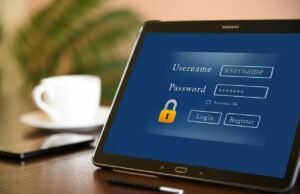
Navigating the digital world often feels like walking a tightrope between connectivity and control. We share aspects of our lives online every day, from social media posts to online transactions. But how much control do we really have over our personal information? Understanding and effectively managing your privacy settings is crucial for maintaining your digital well-being and protecting your data in an increasingly interconnected world. This guide will provide you with the knowledge and tools necessary to navigate the complex landscape of online privacy.
Understanding Privacy Settings
What Are Privacy Settings?
Privacy settings are the controls within online platforms, apps, and services that allow you to manage who can see your information and activity. These settings determine the visibility of your profile, posts, photos, and other content. They also govern how your data is collected, used, and shared with third parties. Think of them as the digital locks and keys to your personal information.
Why Are They Important?
- Data Security: Protecting your personal data from unauthorized access and potential misuse.
- Reputation Management: Controlling the information available about you online and managing your digital footprint.
- Preventing Identity Theft: Limiting the amount of personal data available to potential identity thieves.
- Personalized Experiences: Balancing privacy with the desire for customized online experiences.
- Compliance: Adhering to privacy regulations like GDPR (General Data Protection Regulation) and CCPA (California Consumer Privacy Act).
Potential Risks of Ignoring Privacy Settings
Failing to adjust your privacy settings can expose you to various risks:
- Data Breaches: Increased vulnerability to data breaches and cyberattacks.
- Stalking and Harassment: Exposure of personal information that can be used for stalking or harassment.
- Job and Education Opportunities: Potential negative impact on job or educational opportunities due to unprofessional online content.
- Targeted Advertising: Overexposure to intrusive and irrelevant advertisements.
- Financial Fraud: Risk of financial fraud due to compromised personal or financial information.
Mastering Social Media Privacy
Facebook Privacy Settings
Facebook offers a wide range of privacy settings. Key areas to focus on include:
- Who can see your future posts: Control who can view your posts (Public, Friends, Only Me, Custom).
- Who can see your friends list: Limit access to your list of friends.
- Who can look you up using the email address or phone number you provided: Choose who can find you based on your contact information.
- Timeline and Tagging: Review tags before they appear on your timeline.
- Ad Preferences: Manage the ads you see based on your interests and data. For example, limit the use of data collected from websites and apps off of Facebook.
- Practical Example: Regularly review your Facebook Activity Log to see your past posts and tags. This helps you identify potentially problematic content and adjust visibility settings accordingly.
Instagram Privacy Settings
Instagram offers fewer granular settings compared to Facebook, but there are still important controls:
- Account Privacy: Switch to a private account to restrict access to your content to approved followers only.
- Story Settings: Control who can view and reply to your stories.
- Activity Status: Disable your activity status to prevent others from seeing when you are online.
- Restricted Accounts: Restrict accounts that you want to interact with less, without blocking them.
- Comment Controls: Filter offensive comments and control who can comment on your posts.
- Practical Example: Turn off location services for Instagram posts if you prefer not to share your location.
Twitter/X Privacy Settings
Twitter/X (formerly Twitter) allows you to control who can see your tweets and direct messages:
- Protect your Tweets: Make your tweets visible only to approved followers.
- Direct Message Settings: Choose who can send you direct messages.
- Location Information: Control whether your tweets include location information.
- Tailored Ads: Opt out of tailored ads based on your interests.
- Practical Example: Regularly review your list of approved followers to ensure you’re comfortable with who can see your tweets.
Securing Your Email Privacy
Email Provider Settings
Major email providers like Gmail, Outlook, and Yahoo offer privacy settings to protect your inbox:
- Two-Factor Authentication: Enable two-factor authentication (2FA) for added security.
- Spam Filters: Configure spam filters to reduce unwanted emails.
- Permissions: Review and revoke permissions granted to third-party apps that access your email account.
- Data Sharing: Limit the sharing of your email data with advertisers.
- Practical Example: Regularly check your account activity to identify any suspicious logins or unauthorized access.
Email Tracking Protection
Many emails contain tracking pixels that monitor when you open an email and click on links. Consider using browser extensions like Privacy Badger or email clients like ProtonMail to block these trackers.
- Email Encryption: Use end-to-end encryption for sensitive communications.
Avoiding Phishing Scams
Be cautious of suspicious emails asking for personal information.
- Verify the sender’s address: Check for misspellings or unusual domain names.
- Do not click on suspicious links: Hover over links to preview the URL before clicking.
- Never provide personal information: Do not share passwords, credit card numbers, or other sensitive data via email.
Protecting Your Browser Privacy
Browser Settings
Web browsers like Chrome, Firefox, and Safari offer settings to enhance your privacy:
- Cookies: Manage cookies to control how websites track your browsing activity. You can choose to block third-party cookies or clear cookies regularly.
- Do Not Track: Enable the “Do Not Track” setting to request websites not to track your browsing activity. However, websites are not obligated to comply with this request.
- Privacy Extensions: Install privacy extensions like Privacy Badger, uBlock Origin, or DuckDuckGo Privacy Essentials to block trackers and enhance privacy.
- Clear Browsing Data: Regularly clear your browsing history, cookies, and cache to remove traces of your online activity.
- Practical Example: Use a private browsing mode (Incognito Mode in Chrome, Private Window in Firefox) for sensitive activities like online banking or shopping.
Search Engine Privacy
Consider using privacy-focused search engines like DuckDuckGo, which does not track your searches or personalize search results based on your browsing history.
- VPN (Virtual Private Network): Use a VPN to encrypt your internet traffic and mask your IP address, further enhancing your privacy.
Mobile Device Privacy
App Permissions
Review and manage app permissions on your smartphone to control which apps can access your data.
- Location Services: Limit location access to apps that truly need it.
- Microphone and Camera Access: Grant microphone and camera access only to trusted apps.
- Contacts Access: Restrict access to your contacts list.
- Practical Example: Regularly review app permissions and revoke access to apps that no longer need certain permissions.
Device Settings
- Operating System Updates: Keep your operating system and apps updated to patch security vulnerabilities.
- Screen Lock: Use a strong passcode or biometric authentication to secure your device.
- Find My Device: Enable the “Find My Device” feature to locate, lock, or erase your device if it’s lost or stolen.
- Limit Ad Tracking: Enable the “Limit Ad Tracking” setting in your device’s privacy settings to reduce personalized advertising.
Conclusion
Protecting your privacy in the digital age requires ongoing effort and attention. By understanding and actively managing your privacy settings across various platforms and devices, you can significantly reduce your risk of data breaches, identity theft, and other online threats. Make it a habit to regularly review and adjust your settings as new features and technologies emerge. Remember, your privacy is a valuable asset – take control of it.