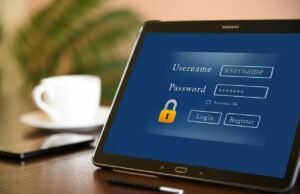
Protecting your digital life starts with securing your devices. In today’s interconnected world, our smartphones, laptops, tablets, and even smart home devices are prime targets for cyber threats. From malware and phishing attacks to data breaches and identity theft, the risks are ever-present. This blog post will delve into the essential strategies and best practices you can implement to fortify your device security, safeguard your personal information, and enjoy a safer digital experience.
Understanding Device Security Threats
The Landscape of Cyber Threats
Device security threats are constantly evolving, becoming more sophisticated and harder to detect. Staying informed about the latest threats is crucial for effective protection.
- Malware: Viruses, worms, and trojans designed to infiltrate and damage your devices, steal data, or disrupt operations. Examples include ransomware that encrypts your files and demands a ransom for their release.
- Phishing: Deceptive emails, messages, or websites that trick you into revealing sensitive information such as passwords, credit card details, or personal identification numbers.
- Data Breaches: Unauthorized access to your device or online accounts, leading to the exposure of your personal data.
- Unsecured Wi-Fi Networks: Connecting to public Wi-Fi without proper security measures can leave your device vulnerable to eavesdropping and data theft.
- Physical Theft: The loss or theft of your device can result in unauthorized access to your data if it’s not properly secured.
Example: A phishing email might impersonate your bank, asking you to update your account information. Clicking the link could lead you to a fake website designed to steal your login credentials.
Common Vulnerabilities in Devices
Understanding the vulnerabilities that make devices susceptible to attacks is key to implementing effective security measures.
- Outdated Software: Operating systems and applications with known security flaws that haven’t been patched are easy targets for attackers.
- Weak Passwords: Using simple, easily guessable passwords makes it easy for hackers to gain access to your device and accounts.
- Default Settings: Devices often come with default settings that are insecure and need to be changed for better protection.
- Unsecured Apps: Downloading apps from unofficial sources or granting excessive permissions to apps can introduce malware or compromise your privacy.
Example: Many IoT (Internet of Things) devices come with default passwords like “admin” or “password.” Failing to change these makes them an easy target for botnets.
Implementing Strong Password Practices
Creating Strong Passwords
Strong passwords are the first line of defense against unauthorized access. A strong password should be:
- Long: Aim for at least 12 characters.
- Complex: Include a mix of uppercase and lowercase letters, numbers, and symbols.
- Unique: Don’t reuse the same password across multiple accounts.
Example: Instead of “password123,” try “P@sswOrd!2024.”
Using Password Managers
A password manager is a secure tool that generates, stores, and manages your passwords. Benefits include:
- Secure Storage: Password managers encrypt your passwords, protecting them from theft.
- Automatic Generation: They can create strong, random passwords for each of your accounts.
- Convenience: They automatically fill in your login credentials, saving you time and effort.
Actionable Takeaway: Consider using reputable password managers like LastPass, 1Password, or Bitwarden.
Two-Factor Authentication (2FA)
Two-factor authentication adds an extra layer of security by requiring a second verification method, such as a code sent to your phone, in addition to your password.
- Enhanced Security: Even if your password is compromised, an attacker still needs access to your second factor to gain access.
- Widely Available: Many online services and apps offer 2FA as an option.
Example: When logging into your email, you enter your password and then receive a code via SMS that you must enter to complete the login process.
Securing Your Devices Against Malware
Installing Antivirus Software
Antivirus software is essential for detecting and removing malware from your devices. Features include:
- Real-time Scanning: Continuously monitors your device for malicious activity.
- Scheduled Scans: Allows you to schedule regular scans to check for threats.
- Automatic Updates: Keeps the software up-to-date with the latest virus definitions.
Actionable Takeaway: Install reputable antivirus software like Norton, McAfee, or Bitdefender and keep it updated.
Keeping Software Up-to-Date
Software updates often include security patches that fix vulnerabilities exploited by malware. Make sure to:
- Enable Automatic Updates: This ensures that your operating system and applications are always up-to-date with the latest security fixes.
- Install Updates Promptly: Don’t delay installing updates, as they often address critical security flaws.
Example: Regularly update your operating system (Windows, macOS, iOS, Android) and web browsers (Chrome, Firefox, Safari).
Practicing Safe Browsing Habits
Safe browsing habits can significantly reduce your risk of encountering malware.
- Avoid Suspicious Websites: Be cautious about visiting websites with poor reputations or those that seem untrustworthy.
- Don’t Click on Suspicious Links: Be wary of links in emails, messages, or social media posts that seem too good to be true or come from unknown sources.
- Download Software from Official Sources: Only download software from official websites or app stores.
Example: Before clicking a link, hover over it to see the actual URL. If it looks suspicious or doesn’t match the sender’s address, avoid clicking it.
Protecting Your Privacy on Devices
Reviewing App Permissions
Apps often request access to various features and data on your device. Regularly review and manage app permissions to protect your privacy.
- Limit Permissions: Only grant apps the permissions they need to function properly.
- Revoke Unnecessary Permissions: If an app requests permissions that seem excessive or irrelevant, consider revoking them.
Example: A flashlight app shouldn’t need access to your contacts or location. If it asks for these permissions, be cautious.
Using Privacy Settings
Operating systems and apps offer privacy settings that allow you to control how your data is collected and used.
- Location Services: Limit which apps can access your location and when.
- Advertising Tracking: Disable or limit ad tracking to reduce the amount of personalized advertising you see.
- Data Sharing: Review and adjust data sharing settings to control how your data is shared with third parties.
Actionable Takeaway: Take the time to review and configure the privacy settings on your devices and online accounts.
Securing Your Wi-Fi Connection
Protect your Wi-Fi connection to prevent unauthorized access to your network and data.
- Use a Strong Password: Choose a strong, unique password for your Wi-Fi network.
- Enable WPA3 Encryption: Use WPA3 encryption for the most secure Wi-Fi connection. If your router doesn’t support WPA3, use WPA2.
- Disable SSID Broadcast: Hiding your Wi-Fi network name (SSID) can make it harder for unauthorized users to find and connect to it.
- Use a VPN: When connecting to public Wi-Fi, use a virtual private network (VPN) to encrypt your internet traffic and protect your data.
Example: When setting up your home Wi-Fi, change the default router password and enable WPA3 encryption for enhanced security.
Conclusion
Securing your devices is an ongoing process that requires vigilance and proactive measures. By understanding the threats, implementing strong security practices, and staying informed about the latest security updates, you can significantly reduce your risk of falling victim to cyberattacks and protect your digital life. Remember to prioritize strong passwords, keep your software up-to-date, practice safe browsing habits, and protect your privacy settings. Taking these steps will empower you to enjoy a safer and more secure digital experience.