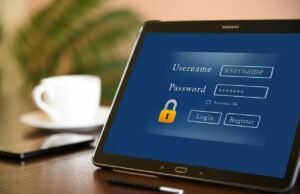

Protecting your online accounts is more crucial than ever in today’s digital landscape. With data breaches and cyber threats on the rise, relying solely on a password simply isn’t enough. That’s where two-factor authentication (2FA) comes in, providing an extra layer of security that can significantly reduce your risk of being hacked. Let’s delve into the world of 2FA and explore how it works, why it’s essential, and how you can implement it to safeguard your digital life.
What is Two-Factor Authentication (2FA)?
Understanding the Basics
Two-factor authentication (2FA) is a security process that requires two different authentication factors to verify a user’s identity before granting access to an account or system. This means that even if someone knows your password, they won’t be able to log in without also providing the second factor. It’s like having a lock on your door and a security system – both are needed to gain entry.
The Two-Factor Principle: Something You Know, Something You Have
2FA is based on the principle of using multiple, independent authentication factors, typically categorized as:
- Something you know: This is your password, PIN, or security question answer.
- Something you have: This is a physical device in your possession, such as a smartphone, a hardware security key (like a YubiKey), or a security code sent to your email.
- Something you are: This involves biometrics, such as fingerprint scanning, facial recognition, or voice analysis. While biometrics are increasingly common, they are less frequently used in everyday 2FA implementations.
Why 2FA Significantly Improves Security
The strength of 2FA lies in its layered approach. A compromised password becomes much less useful to an attacker if they also need access to your phone or another registered device. The chances of an attacker gaining access to both factors are significantly lower, making it far more difficult to compromise your account.
Why You Need Two-Factor Authentication
The Rising Threat of Cyberattacks
Cyberattacks are becoming increasingly sophisticated and frequent. Data breaches, phishing scams, and malware infections can expose your passwords and personal information, putting your online accounts at risk. According to Verizon’s 2023 Data Breach Investigations Report, 82% of breaches involved the human element, highlighting the vulnerability of password-only security.
Password Weaknesses: A Major Security Risk
Many people use weak, easily guessable passwords or reuse the same password across multiple accounts. This makes it easier for hackers to gain access to your accounts through brute-force attacks or credential stuffing (using stolen username/password combinations from past breaches). 2FA mitigates the risk associated with password weaknesses.
Mitigating Phishing and Social Engineering Attacks
Even with strong passwords, you can still fall victim to phishing attacks where scammers trick you into revealing your login credentials. With 2FA enabled, even if you accidentally enter your password on a fake website, the attacker will still need the second factor to access your account.
Protecting Sensitive Data and Privacy
2FA is essential for protecting sensitive data, such as financial information, personal health records, and confidential business documents. By adding an extra layer of security, you can reduce the risk of unauthorized access and data breaches that can compromise your privacy and security.
Types of Two-Factor Authentication
SMS-Based 2FA (Text Message Codes)
- How it works: A verification code is sent to your mobile phone via SMS text message. You enter this code along with your password to log in.
- Pros: Widely available and easy to use.
- Cons: SMS messages can be intercepted, SIM swapped, or delayed, making it the least secure 2FA method. NIST (National Institute of Standards and Technology) has deprecated SMS-based 2FA in certain contexts due to its security vulnerabilities.
Authenticator Apps (TOTP)
- How it works: You use an authenticator app (like Google Authenticator, Authy, or Microsoft Authenticator) on your smartphone to generate a time-based one-time password (TOTP). This code changes every 30 seconds.
- Pros: More secure than SMS-based 2FA, doesn’t rely on cellular networks, and works offline.
- Cons: Requires a smartphone, can be cumbersome to set up initially, and recovering access if you lose your phone can be difficult without proper backup measures.
Hardware Security Keys (U2F/FIDO2)
- How it works: You use a physical security key (like a YubiKey or Titan Security Key) that plugs into your computer’s USB port. When prompted, you simply tap the key to verify your identity. FIDO2 allows for passwordless login as well.
- Pros: Most secure form of 2FA, resistant to phishing attacks, and easy to use.
- Cons: Requires purchasing a hardware key, and you need to carry it with you.
Email-Based 2FA
- How it works: Similar to SMS-based 2FA, a verification code is sent to your registered email address. You enter this code along with your password to log in.
- Pros: Can be a viable option if you don’t have a smartphone or prefer not to use SMS.
- Cons: Less secure than authenticator apps or hardware keys, as email accounts can be compromised.
Implementing Two-Factor Authentication: A Step-by-Step Guide
Identifying Accounts to Protect
Start by identifying your most important online accounts, such as:
- Email accounts (Gmail, Outlook, etc.)
- Social media accounts (Facebook, Twitter, Instagram, etc.)
- Financial accounts (banking, credit cards, investment accounts)
- Cloud storage accounts (Google Drive, Dropbox, OneDrive)
- E-commerce accounts (Amazon, eBay)
- Any account containing sensitive personal or professional data
Enabling 2FA on Your Accounts
Most websites and apps offer 2FA as an option within their security or privacy settings. Look for options like “Two-Factor Authentication,” “Two-Step Verification,” or “Multi-Factor Authentication.”
- Example: In Gmail, go to “Google Account,” then “Security,” and enable “2-Step Verification.”
- Example: On Facebook, go to “Settings & Privacy,” then “Security and Login,” and enable “Two-Factor Authentication.”
Follow the instructions provided by the website or app to set up 2FA. You’ll typically need to choose your preferred method (SMS, authenticator app, or security key) and follow the prompts to link your device or account.
Backing Up Your 2FA Recovery Options
It’s crucial to have backup recovery options in case you lose access to your primary 2FA device. This could include:
- Backup codes: Most services provide a set of backup codes that you can use if you lose your phone or security key. Store these codes in a safe place, such as a password manager or a secure document.
- Trusted devices: Some services allow you to designate trusted devices that can bypass 2FA. Use this feature cautiously and only on devices that you trust and control.
- Account recovery options: Ensure you have configured account recovery options, such as a recovery email address or phone number, that you can use to regain access to your account if you lose your 2FA device.
Best Practices for Using 2FA
Choose Strong Authentication Methods
Prioritize using authenticator apps or hardware security keys over SMS-based 2FA. These methods are more secure and resistant to common attacks.
Secure Your Recovery Codes
Store your backup codes in a safe and secure location. A password manager is an excellent option, as it encrypts your data and makes it accessible only with your master password. Avoid storing backup codes in plain text on your computer or phone.
Protect Your Smartphone
Your smartphone is often the key to your 2FA setup. Protect it with a strong passcode or biometric authentication and keep it updated with the latest security patches. Be cautious about installing apps from unknown sources, as they could contain malware that compromises your 2FA.
Beware of Phishing Attempts
Be vigilant about phishing attempts that try to trick you into revealing your 2FA codes. Never enter your 2FA code on a website unless you are absolutely sure that it is the legitimate website of the service you are trying to access. Check the website’s URL carefully and look for signs of a secure connection (e.g., a padlock icon in the address bar).
Periodically Review and Update Your 2FA Settings
Regularly review your 2FA settings to ensure that your recovery options are up-to-date and that you are using the strongest authentication methods available. If you switch phones or get a new security key, be sure to update your 2FA settings accordingly.
Conclusion
Two-factor authentication is a powerful tool that can significantly enhance your online security. By adding an extra layer of protection to your accounts, you can reduce your risk of being hacked and protect your sensitive data from unauthorized access. While setting up and managing 2FA may require some initial effort, the peace of mind and security it provides are well worth it. Prioritize enabling 2FA on your most important accounts and follow the best practices outlined in this guide to maximize its effectiveness. Stay vigilant, stay secure, and protect your digital life with the power of two-factor authentication.