Cybersecurity is no longer just a concern for large corporations; it’s a critical necessity for businesses and individuals of all sizes. With cyber threats becoming increasingly sophisticated and prevalent, understanding and implementing robust cybersecurity protocols is paramount to protecting valuable data, maintaining business continuity, and preserving your reputation. This guide delves into the essential cybersecurity protocols that can fortify your defenses against a wide range of cyberattacks.
Understanding Cybersecurity Protocols
What are Cybersecurity Protocols?
Cybersecurity protocols are a set of standardized rules and procedures designed to protect digital assets and networks from unauthorized access, use, disclosure, disruption, modification, or destruction. These protocols act as a comprehensive framework for managing and mitigating risks across various aspects of digital infrastructure. Think of them as a detailed security roadmap, specifying how to respond to different kinds of threats.
Why are Cybersecurity Protocols Important?
Implementing strong cybersecurity protocols is crucial for several reasons:
- Data Protection: They safeguard sensitive information, including customer data, financial records, and intellectual property, from theft or exposure.
- Regulatory Compliance: Many industries are subject to regulations such as GDPR, HIPAA, and PCI DSS, which mandate specific cybersecurity measures. Following established protocols helps ensure compliance.
- Business Continuity: By preventing or mitigating cyberattacks, protocols help maintain operational uptime and minimize disruptions to business processes.
- Reputation Management: A data breach can severely damage a company’s reputation, leading to loss of customers and revenue. Robust cybersecurity protocols help prevent such incidents.
- Financial Protection: Cyberattacks can result in significant financial losses due to theft, remediation costs, legal fees, and lost productivity.
Common Types of Cybersecurity Protocols
Cybersecurity protocols encompass a wide range of measures, including:
- Access Control: Limiting access to sensitive data and systems to authorized personnel only.
- Authentication and Authorization: Verifying the identity of users and granting them appropriate access privileges.
- Encryption: Protecting data confidentiality by converting it into an unreadable format.
- Firewalls: Monitoring and controlling network traffic to prevent unauthorized access.
- Intrusion Detection and Prevention Systems (IDPS): Identifying and responding to suspicious activity on the network.
- Vulnerability Management: Identifying and patching security vulnerabilities in software and systems.
- Incident Response: Developing and implementing a plan to respond to and recover from cyberattacks.
Implementing Strong Authentication and Access Control
Multi-Factor Authentication (MFA)
Multi-Factor Authentication (MFA) adds an extra layer of security by requiring users to provide multiple forms of identification before gaining access to a system or application. This typically involves something you know (password), something you have (security token or mobile app), and something you are (biometric data).
- Example: Requiring a user to enter their password and a one-time code sent to their mobile phone.
- Benefits: Significantly reduces the risk of account compromise, even if a password is stolen.
- Actionable Takeaway: Implement MFA across all critical systems and applications, including email, VPN, and cloud services.
Role-Based Access Control (RBAC)
Role-Based Access Control (RBAC) assigns users to specific roles and grants them access privileges based on their job functions. This ensures that employees only have access to the information and resources they need to perform their duties.
- Example: A marketing employee might have access to marketing databases and tools, while a finance employee has access to financial systems.
- Benefits: Simplifies access management, reduces the risk of unauthorized data access, and improves compliance.
- Actionable Takeaway: Define clear roles and responsibilities within your organization and assign access privileges accordingly. Regularly review and update access controls to reflect changes in roles or responsibilities.
Principle of Least Privilege
The principle of least privilege dictates that users should only be granted the minimum level of access necessary to perform their job functions. This reduces the potential damage that can be caused by a compromised account.
- Example: Granting a temporary employee access to a specific project folder for a limited time.
- Benefits: Minimizes the attack surface, limits the impact of insider threats, and enhances data security.
- Actionable Takeaway: Regularly audit user access privileges and remove unnecessary permissions.
Deploying Robust Network Security Measures
Firewalls
Firewalls act as a barrier between your internal network and the outside world, inspecting incoming and outgoing network traffic and blocking unauthorized access attempts. They can be hardware-based, software-based, or a combination of both.
- Example: Configuring a firewall to block all incoming traffic on port 22 (SSH) except from specific IP addresses.
- Benefits: Prevents unauthorized access to your network, protects against malware infections, and controls network traffic.
- Actionable Takeaway: Implement a properly configured firewall on your network perimeter and regularly update its rules to reflect evolving threat landscape.
Intrusion Detection and Prevention Systems (IDPS)
Intrusion Detection Systems (IDS) monitor network traffic for suspicious activity and generate alerts when potential threats are detected. Intrusion Prevention Systems (IPS) go a step further by automatically blocking or mitigating malicious activity.
- Example: An IDPS detecting unusual network traffic patterns that might indicate a malware infection.
- Benefits: Provides real-time threat detection, enhances network security, and helps prevent data breaches.
- Actionable Takeaway: Deploy an IDPS solution that is tailored to your network environment and regularly update its signature database.
Virtual Private Networks (VPNs)
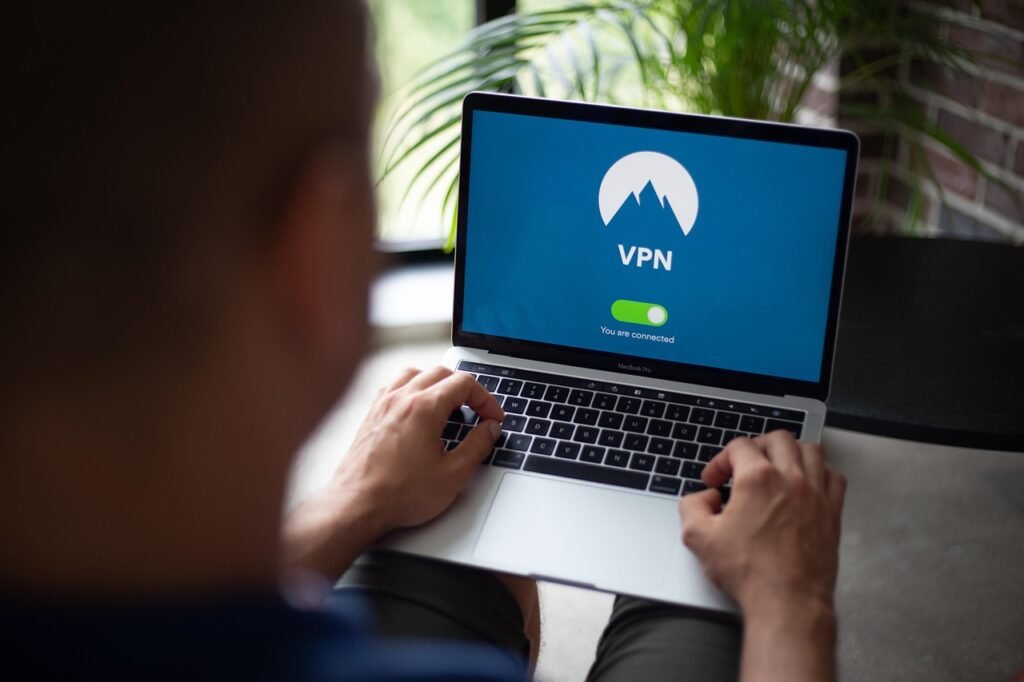
Virtual Private Networks (VPNs) create a secure, encrypted connection between your device and a remote server, protecting your data from eavesdropping while using public Wi-Fi networks.
- Example: Using a VPN when connecting to a public Wi-Fi hotspot at a coffee shop.
- Benefits: Protects data confidentiality, prevents data interception, and enhances online privacy.
- Actionable Takeaway: Encourage employees to use a VPN when accessing company resources from remote locations.
Implementing Data Encryption and Backup Strategies
Data Encryption
Data encryption protects the confidentiality of sensitive information by converting it into an unreadable format. Encryption can be applied to data at rest (stored on hard drives or servers) and data in transit (transmitted over networks).
- Example: Encrypting a laptop hard drive to protect data in case the device is lost or stolen.
- Benefits: Prevents unauthorized access to data, protects against data breaches, and ensures compliance with data privacy regulations.
- Actionable Takeaway: Encrypt all sensitive data at rest and in transit using strong encryption algorithms.
Data Backup and Recovery
Regular data backups ensure that you can restore your data in the event of a cyberattack, hardware failure, or natural disaster. Backups should be stored in a secure, off-site location.
- Example: Performing daily backups of critical business data to a cloud storage service.
- Benefits: Minimizes data loss, enables business continuity, and facilitates disaster recovery.
- Actionable Takeaway: Implement a comprehensive data backup and recovery plan that includes regular backups, off-site storage, and periodic testing.
Data Loss Prevention (DLP)
Data Loss Prevention (DLP) tools monitor and prevent sensitive data from leaving your organization’s control. DLP solutions can identify and block attempts to copy, transfer, or email sensitive data to unauthorized recipients.
- Example: A DLP system preventing an employee from emailing a file containing customer credit card numbers outside the company network.
- Benefits: Prevents data leaks, protects sensitive information, and enhances compliance.
- Actionable Takeaway: Implement a DLP solution to monitor and control the flow of sensitive data within your organization.
Maintaining a Proactive Vulnerability Management Program
Vulnerability Scanning
Regular vulnerability scans identify security weaknesses in your software, systems, and networks. These scans can help you discover and address vulnerabilities before they are exploited by attackers.
- Example: Running a vulnerability scan on a web server to identify outdated software or misconfigurations.
- Benefits: Proactively identifies security vulnerabilities, reduces the attack surface, and prevents exploitation of known weaknesses.
- Actionable Takeaway: Schedule regular vulnerability scans of your systems and networks and promptly address any identified vulnerabilities.
Patch Management
Patch management involves installing security updates and patches to address known vulnerabilities in software and systems. Keeping your systems up-to-date is essential to protect against exploitation of known weaknesses.
- Example: Applying security patches to operating systems, web browsers, and other software applications.
- Benefits: Reduces the risk of exploitation, protects against malware infections, and enhances overall security.
- Actionable Takeaway: Implement a robust patch management process to ensure that security updates are applied promptly. Automate patching wherever possible.
Penetration Testing
Penetration testing (also known as ethical hacking) involves simulating a cyberattack to identify security weaknesses in your systems and networks. This can help you assess the effectiveness of your security controls and identify areas for improvement.
- Example: Hiring a penetration tester to attempt to gain unauthorized access to your network or systems.
- Benefits: Identifies security weaknesses, validates security controls, and helps improve overall security posture.
- Actionable Takeaway: Conduct regular penetration tests to identify and address security weaknesses in your systems and networks.
Conclusion
Implementing comprehensive cybersecurity protocols is a continuous process that requires ongoing monitoring, evaluation, and adaptation. By understanding the key principles and implementing the strategies outlined in this guide, you can significantly enhance your organization’s security posture and protect your valuable assets from the ever-evolving landscape of cyber threats. Staying vigilant, informed, and proactive is essential to maintaining a robust and resilient cybersecurity defense. Remember to regularly review and update your protocols to adapt to new threats and technologies.