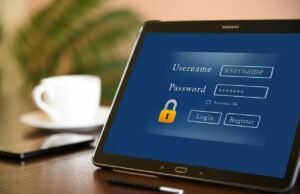
Choosing the right cloud storage solution is crucial in today’s digital landscape, where data is king. But beyond simple storage, security is paramount. This article dives deep into secure cloud storage, exploring its benefits, key features, and how to choose the right provider for your needs, ensuring your valuable data remains safe and accessible.
Understanding the Importance of Secure Cloud Storage
What is Secure Cloud Storage?
Secure cloud storage is a method of storing digital data on a network of off-site servers maintained by a third-party provider. The “secure” aspect implies that robust measures are in place to protect the data from unauthorized access, data breaches, and other security threats.
Why is Data Security Crucial in the Cloud?
Moving data to the cloud offers numerous advantages, but it also introduces new security challenges. Consider these points:
- Data breaches are costly: The average cost of a data breach in 2023 was $4.45 million (IBM Cost of a Data Breach Report 2023).
- Compliance requirements: Industries like healthcare (HIPAA) and finance (PCI DSS) have strict data security regulations that cloud storage solutions must adhere to.
- Reputation damage: A data breach can severely damage your brand’s reputation and customer trust.
- Legal repercussions: Failure to protect sensitive data can lead to lawsuits and regulatory fines.
Actionable Takeaway
Prioritize security as a core requirement when evaluating cloud storage options. Understand the potential risks and the importance of choosing a provider that takes data protection seriously.
Key Security Features to Look For
Encryption
Encryption is the process of converting data into an unreadable format, rendering it useless to unauthorized individuals. This is a fundamental security feature.
- Data at Rest Encryption: Encrypts data while it’s stored on the servers.
- Data in Transit Encryption: Encrypts data as it moves between your device and the cloud servers. This usually involves protocols like TLS/SSL.
- End-to-End Encryption: Only you have the key to decrypt the data. Even the cloud provider cannot access it. This provides the highest level of security but can sometimes impact functionality.
Example: A cloud storage provider that uses AES-256 encryption for data at rest and TLS 1.3 for data in transit offers a strong foundation for data security.
Access Control and Identity Management
Controlling who has access to your data is crucial. Robust access control mechanisms help prevent unauthorized access.
- Multi-Factor Authentication (MFA): Requires users to provide multiple forms of identification (e.g., password and a code from a mobile app) to access their accounts.
- Role-Based Access Control (RBAC): Grants users access only to the data and resources they need to perform their jobs.
- Strong Password Policies: Enforce strong, unique passwords and regular password updates.
- Audit Logging: Track user activity and data access to identify and investigate potential security incidents.
Example: A company using RBAC can grant its marketing team access to marketing materials stored in the cloud but restrict access to financial data.
Data Redundancy and Backup
Data loss can occur due to various reasons, including hardware failures, natural disasters, and cyberattacks. Data redundancy and backup strategies are essential for data protection.
- Data Replication: Storing multiple copies of your data across different servers and geographical locations.
- Automated Backups: Regularly backing up your data to a separate location, allowing you to restore it in case of data loss.
- Version Control: Maintaining a history of changes made to your files, allowing you to revert to previous versions if needed.
Example: A cloud provider that replicates data across three geographically distinct data centers ensures that your data remains available even if one data center experiences an outage.
Compliance Certifications
Compliance certifications demonstrate that a cloud provider adheres to industry-recognized security standards and regulations.
- SOC 2: A report based on the AICPA’s (American Institute of Certified Public Accountants) Trust Services Criteria, focusing on security, availability, processing integrity, confidentiality, and privacy.
- ISO 27001: An international standard for information security management systems (ISMS).
- HIPAA: Ensures the privacy and security of protected health information (PHI) for healthcare providers.
- PCI DSS: A set of security standards designed to protect credit card data for businesses that process credit card payments.
Example: Choosing a cloud provider with SOC 2 Type II certification indicates that their security controls have been audited by an independent third party and found to be effective.
Actionable Takeaway
Thoroughly investigate the security features and compliance certifications of potential cloud storage providers. Ensure they align with your specific security requirements and industry regulations.
Choosing the Right Secure Cloud Storage Provider
Assess Your Needs
Before selecting a cloud storage provider, carefully assess your specific needs and requirements.
- Storage Capacity: How much storage space do you need now and in the future?
- Security Requirements: What level of security do you need based on the sensitivity of your data and compliance regulations?
- Accessibility: How easily do you need to access your data from different devices and locations?
- Budget: What is your budget for cloud storage?
Compare Providers
Research and compare different cloud storage providers based on their features, security measures, pricing, and customer support.
- Read reviews and testimonials: See what other users are saying about their experiences with the provider.
- Request a demo or trial: Test the platform and its features before committing to a subscription.
- Ask about their security practices: Understand their encryption methods, access controls, and data redundancy strategies.
Understand the Service Level Agreement (SLA)
The SLA is a contract between you and the cloud provider that outlines the terms of service, including uptime guarantees, data security responsibilities, and support levels.
- Uptime guarantee: The percentage of time the service is guaranteed to be available.
- Data security responsibilities: Clearly defines who is responsible for protecting your data.
- Support levels: What type of support is available (e.g., phone, email, chat) and the response times.
Actionable Takeaway
Thoroughly research and compare cloud storage providers, considering your specific needs, security requirements, and budget. Carefully review the SLA to understand your rights and responsibilities.
Best Practices for Using Secure Cloud Storage
Implement Strong Password Policies
Enforce strong, unique passwords and require users to change their passwords regularly.
- Use a password manager to generate and store strong passwords.
- Avoid using easily guessable information in passwords (e.g., birthdays, names).
- Educate users about the importance of strong passwords and the risks of password reuse.
Enable Multi-Factor Authentication (MFA)
Enable MFA for all user accounts to add an extra layer of security.
- Use an authenticator app (e.g., Google Authenticator, Authy) to generate time-based codes.
- Consider using hardware security keys (e.g., YubiKey) for added security.
Regularly Update Software and Applications
Keep your operating systems, browsers, and applications up to date to patch security vulnerabilities.
- Enable automatic updates whenever possible.
- Monitor security advisories and promptly apply patches.
Train Employees on Security Best Practices
Educate your employees about the importance of data security and provide training on how to identify and avoid phishing scams, malware, and other security threats.
- Conduct regular security awareness training sessions.
- Simulate phishing attacks to test employees’ awareness and response.
- Establish clear security policies and procedures.
Monitor Account Activity and Audit Logs
Regularly monitor account activity and audit logs to identify and investigate suspicious behavior.
- Set up alerts for unusual login attempts or data access patterns.
- Review audit logs regularly to detect potential security breaches.
Actionable Takeaway
Implement strong security practices, including strong passwords, MFA, software updates, employee training, and activity monitoring, to protect your data in the cloud.
Advanced Security Measures
Data Loss Prevention (DLP)
DLP tools help prevent sensitive data from leaving your control. They can scan files and emails for sensitive information and block unauthorized transfers.
- Content-aware DLP: Analyzes the content of files and emails to identify sensitive data.
- Context-aware DLP: Considers the context of the data transfer, such as the user, device, and location.
Example: A DLP tool can block an employee from sending a file containing credit card numbers to an external email address.
Cloud Access Security Brokers (CASB)
CASBs act as intermediaries between users and cloud applications, providing visibility, data security, and threat protection.
- Visibility: Provides insights into cloud application usage and user activity.
- Data Security: Enforces data loss prevention, encryption, and access control policies.
- Threat Protection: Detects and prevents malware, phishing attacks, and other security threats.
Example: A CASB can detect and block a user from downloading a file containing sensitive data from a cloud application to an unmanaged device.
Security Information and Event Management (SIEM)
SIEM systems collect and analyze security logs from various sources to identify and respond to security incidents.
- Log collection: Collects security logs from cloud applications, servers, and network devices.
- Security analytics: Analyzes logs to identify suspicious activity and potential security threats.
- Incident response: Provides tools and workflows for investigating and responding to security incidents.
Example: A SIEM system can detect a brute-force attack against a cloud application and automatically block the attacker’s IP address.
Actionable Takeaway
Consider implementing advanced security measures, such as DLP, CASB, and SIEM, to enhance the security of your cloud storage environment and protect against sophisticated threats.
Conclusion
Securing your data in the cloud is a continuous process that requires careful planning, implementation, and monitoring. By understanding the importance of secure cloud storage, choosing the right provider, implementing security best practices, and adopting advanced security measures, you can protect your valuable data from unauthorized access, data breaches, and other security threats. Remember to stay informed about the latest security threats and adapt your security measures accordingly to maintain a robust and secure cloud storage environment. Prioritizing security will not only protect your data but also build trust with your customers and stakeholders.