In today’s interconnected world, maintaining a strong cybersecurity posture is no longer optional; it’s a necessity. Just like personal hygiene protects us from physical ailments, cyber hygiene safeguards our digital lives from cyber threats. Implementing robust cyber hygiene policies within your organization, or even in your personal life, can drastically reduce your risk of falling victim to phishing attacks, malware infections, data breaches, and other malicious activities. This blog post will explore the critical components of a comprehensive cyber hygiene policy, providing actionable steps to protect your valuable data and systems.
What is Cyber Hygiene?
Cyber hygiene refers to the set of practices and habits that computer users should adopt to maintain the health and security of their devices and networks. Think of it as brushing your teeth for your digital world – regular, proactive steps that prevent problems before they arise. It’s about establishing a security-conscious culture where everyone understands their role in protecting sensitive information.
Why is Cyber Hygiene Important?
- Reduces Risk of Cyberattacks: Poor cyber hygiene practices are often the easiest entry point for cybercriminals. By implementing and enforcing good habits, you significantly decrease your attack surface.
- Protects Sensitive Data: Whether it’s personal information, financial data, or proprietary business secrets, cyber hygiene helps prevent unauthorized access and data breaches.
- Maintains Business Continuity: A successful cyberattack can disrupt operations, damage reputation, and lead to financial losses. Cyber hygiene minimizes the likelihood of these disruptions.
- Compliance with Regulations: Many industries are subject to data protection regulations (e.g., GDPR, HIPAA). Good cyber hygiene practices help organizations meet these compliance requirements.
- Increases Trust: Demonstrating a commitment to cybersecurity builds trust with customers, partners, and stakeholders.
Example of the Impact of Poor Cyber Hygiene
Imagine an employee using a weak, easily guessable password for their company email account. A cybercriminal could compromise that account through a brute-force attack, gaining access to sensitive emails, documents, and potentially even other internal systems. This could lead to a data breach, reputational damage, and significant financial losses.
Core Components of a Cyber Hygiene Policy
A comprehensive cyber hygiene policy should address various aspects of cybersecurity, encompassing both technical and behavioral measures. Here are some key components:
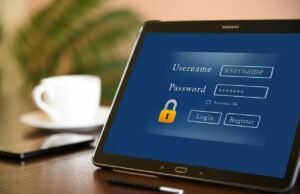
Password Management
- Strong Passwords: Mandate the use of strong, unique passwords for all accounts. Passwords should be at least 12 characters long and include a combination of uppercase and lowercase letters, numbers, and symbols.
Example: Instead of “Password123,” use a phrase like “MyCatLoves$Sunbeams2024!”
- Password Managers: Encourage or require the use of password managers to securely store and manage passwords.
- Multi-Factor Authentication (MFA): Implement MFA wherever possible. This adds an extra layer of security by requiring a second form of verification, such as a code sent to a mobile device.
- Password Rotation: While debated, regular password changes (every 90 days is a common, albeit potentially outdated, suggestion) can still be beneficial, particularly for sensitive accounts. Consider a risk-based approach to password rotation policies.
- Prohibited Practices: Explicitly forbid the use of default passwords, password reuse across multiple accounts, and storing passwords in plain text.
Software Updates and Patch Management
- Regular Updates: Ensure that all operating systems, software applications, and firmware are regularly updated with the latest security patches. This is crucial for addressing known vulnerabilities.
Example: Enable automatic updates for your operating system and web browsers.
- Patch Management System: Implement a centralized patch management system to automate the process of identifying and deploying security patches across the network.
- Vulnerability Scanning: Regularly scan your systems for vulnerabilities and prioritize patching based on the severity of the identified risks.
Malware Protection
- Antivirus Software: Install and maintain up-to-date antivirus software on all devices.
- Endpoint Detection and Response (EDR): Consider implementing EDR solutions for more advanced threat detection and response capabilities.
- Regular Scans: Schedule regular malware scans to identify and remove any malicious software that may have evaded initial detection.
- Email Security: Employ email security solutions to filter out spam, phishing emails, and malicious attachments.
Data Backup and Recovery
- Regular Backups: Regularly back up critical data to a secure offsite location or cloud storage service.
- Backup Testing: Test your backup and recovery procedures periodically to ensure that you can effectively restore data in the event of a disaster or data loss event.
- Data Encryption: Encrypt sensitive data both in transit and at rest to protect it from unauthorized access.
Network Security
- Firewall Protection: Implement a firewall to protect your network from unauthorized access.
- Intrusion Detection/Prevention Systems (IDS/IPS): Deploy IDS/IPS to monitor network traffic for malicious activity and prevent intrusions.
- Secure Wi-Fi: Use strong passwords and encryption (e.g., WPA3) for your Wi-Fi network. Avoid using public Wi-Fi networks for sensitive transactions.
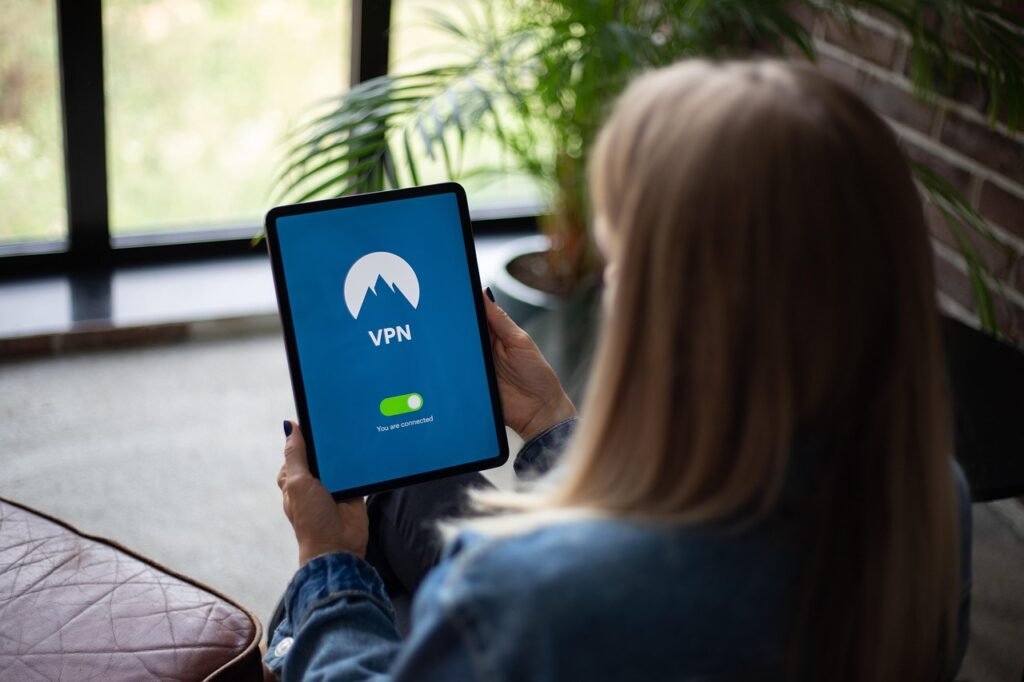
- VPNs: Use a Virtual Private Network (VPN) when connecting to public Wi-Fi networks to encrypt your internet traffic and protect your privacy.
Employee Training and Awareness
Even the most robust technical security measures are useless if employees are not aware of the risks and how to protect themselves. Employee training and awareness programs are a critical component of any successful cyber hygiene policy.
Key Training Topics
- Phishing Awareness: Teach employees how to identify and avoid phishing emails and scams.
* Example: Show examples of common phishing emails and highlight the red flags to look for (e.g., suspicious sender addresses, grammatical errors, urgent requests for personal information).
- Password Security: Educate employees about the importance of strong passwords and password management best practices.
- Malware Awareness: Explain how malware can infect their devices and the steps they can take to prevent infection (e.g., avoiding suspicious websites, not clicking on unknown links).
- Social Engineering: Train employees to recognize and resist social engineering attacks, which often involve manipulating individuals into divulging sensitive information.
- Data Security: Emphasize the importance of protecting sensitive data and following data handling procedures.
- Incident Reporting: Instruct employees on how to report suspected security incidents.
Ongoing Reinforcement
- Regular Training: Conduct regular cyber hygiene training sessions to reinforce key concepts and keep employees up-to-date on the latest threats.
- Simulated Phishing Attacks: Conduct simulated phishing attacks to test employee awareness and identify areas for improvement.
- Security Awareness Posters: Display security awareness posters throughout the workplace to remind employees of key security practices.
- Newsletters and Updates: Share cybersecurity news and updates with employees regularly to keep them informed about emerging threats.
Monitoring and Enforcement
A cyber hygiene policy is only effective if it is consistently monitored and enforced.
Monitoring Tools and Techniques
- Security Information and Event Management (SIEM): Use a SIEM system to collect and analyze security logs from various sources to identify suspicious activity.
- Regular Audits: Conduct regular security audits to assess the effectiveness of your cyber hygiene policies and identify areas for improvement.
- Vulnerability Scanning: Regularly scan your systems for vulnerabilities.
- User Activity Monitoring: Monitor user activity for signs of unauthorized access or malicious behavior.
Enforcement Mechanisms
- Policy Enforcement Software: Use policy enforcement software to automatically enforce security policies on user devices.
- Disciplinary Actions: Implement disciplinary actions for employees who violate cyber hygiene policies.
- Access Control: Restrict access to sensitive data and systems based on the principle of least privilege.
- Regular Reviews: Regularly review and update your cyber hygiene policies to ensure that they remain relevant and effective.
Conclusion
Implementing and maintaining a strong cyber hygiene policy is paramount for protecting your organization and personal data from cyber threats. By adopting the best practices outlined in this blog post, including robust password management, software updates, malware protection, data backup and recovery, and comprehensive employee training, you can significantly reduce your risk of becoming a victim of cybercrime. Remember, cyber hygiene is an ongoing process that requires continuous effort and vigilance. Regular monitoring, enforcement, and adaptation to emerging threats are essential for maintaining a strong cybersecurity posture in today’s ever-evolving digital landscape. A proactive approach to cyber hygiene is not just a best practice; it’s a necessity.