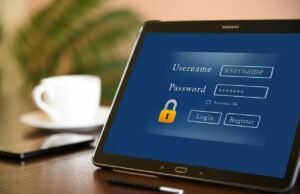
The digital landscape is constantly evolving, bringing with it a growing need for robust cybersecurity measures. In this increasingly interconnected world, understanding and implementing effective cybersecurity practices is no longer just for IT professionals; it’s a necessity for individuals and organizations alike. Investing in cybersecurity education is crucial to protect sensitive data, prevent cyberattacks, and foster a secure online environment.
Why Cybersecurity Education Matters
Cybersecurity education isn’t just about technical skills; it’s about building a culture of security awareness. It empowers individuals and organizations to recognize, respond to, and ultimately prevent cyber threats.
Individual Benefits
- Personal Data Protection: Learn how to safeguard your personal information, online accounts, and devices from malicious actors. This includes understanding password security, phishing scams, and safe browsing habits. For example, a strong password uses a combination of uppercase and lowercase letters, numbers, and symbols and should be at least 12 characters long.
- Online Safety: Navigate the internet safely by identifying and avoiding potential risks such as malware, ransomware, and identity theft. A simple tip is to always double-check the URL before entering sensitive information, ensuring it begins with “https://” indicating a secure connection.
- Career Advancement: Develop in-demand skills for the growing cybersecurity job market. According to Cybersecurity Ventures, there will be 3.5 million unfilled cybersecurity jobs globally by 2025.
- Critical Thinking: Enhance your ability to analyze situations, identify vulnerabilities, and make informed decisions regarding online security. Learning to recognize the red flags in a suspicious email is a practical example of this.
Organizational Benefits
- Reduced Risk of Cyberattacks: Educated employees are less likely to fall victim to phishing scams, social engineering, and other common attack vectors. Training programs can reduce the success rate of phishing attacks by as much as 70%.
- Data Breach Prevention: Protect sensitive customer data, intellectual property, and financial information from unauthorized access and theft. The average cost of a data breach in 2023 was $4.45 million, according to IBM’s Cost of a Data Breach Report.
- Compliance with Regulations: Meet industry regulations and legal requirements related to data privacy and security, such as GDPR, HIPAA, and PCI DSS.
- Enhanced Reputation: Build trust with customers and stakeholders by demonstrating a commitment to cybersecurity best practices. A strong security posture can be a significant competitive advantage.
- Improved Incident Response: Equip your team with the knowledge and skills to effectively respond to and recover from security incidents. A well-defined incident response plan can significantly minimize the impact of a cyberattack.
Types of Cybersecurity Education
Cybersecurity education encompasses a wide range of programs and learning formats to suit different needs and skill levels.
Formal Education
- University Degrees: Bachelor’s and master’s degrees in cybersecurity, computer science, or related fields provide a comprehensive foundation in cybersecurity principles and practices.
- Vocational Training Programs: Focused training programs designed to provide specific job skills, such as network security, ethical hacking, or incident response. For example, a CompTIA Security+ certification can demonstrate foundational cybersecurity skills.
- Certifications: Industry-recognized certifications such as CISSP, CISM, CEH, and CompTIA Security+ validate expertise in specific cybersecurity domains. Certifications often require passing an exam and demonstrating practical experience.
Informal Education
- Online Courses and Tutorials: Platforms like Coursera, Udemy, and edX offer a wide variety of cybersecurity courses for all skill levels. These courses can cover topics like network security, penetration testing, and digital forensics.
- Workshops and Seminars: Short-term training sessions focusing on specific cybersecurity topics, such as phishing awareness, password management, or secure coding practices.
- Books and Articles: A wealth of resources available for self-study and keeping up-to-date with the latest cybersecurity trends and threats. Reputable cybersecurity blogs and news sites provide valuable insights and analysis.
- Security Awareness Training: Ongoing training programs designed to educate employees about cybersecurity threats and best practices. These programs often include simulated phishing attacks to test and improve employee awareness.
Key Cybersecurity Topics
A comprehensive cybersecurity education program should cover a range of essential topics to equip individuals and organizations with the knowledge and skills they need to protect themselves against cyber threats.
Network Security
- Firewalls and Intrusion Detection Systems: Understanding how to configure and manage firewalls and intrusion detection systems to protect networks from unauthorized access and malicious traffic.
- VPNs and Encryption: Learning how to use VPNs and encryption to secure data in transit and at rest.
- Wireless Security: Implementing security measures to protect wireless networks from unauthorized access, such as using strong passwords and enabling WPA3 encryption.
- Network Segmentation: Dividing a network into smaller, isolated segments to limit the impact of a security breach.
Application Security
- Secure Coding Practices: Writing code that is resistant to vulnerabilities such as SQL injection, cross-site scripting (XSS), and buffer overflows.
- Web Application Firewalls (WAFs): Using WAFs to protect web applications from malicious attacks.
- Vulnerability Scanning: Identifying and addressing vulnerabilities in applications before they can be exploited by attackers.
- Secure Configuration Management: Ensuring that applications are properly configured with security in mind.
Data Security
- Data Encryption: Encrypting sensitive data to protect it from unauthorized access.
- Data Loss Prevention (DLP): Implementing DLP measures to prevent sensitive data from leaving the organization’s control.
- Access Control: Restricting access to sensitive data to authorized users only. Role-Based Access Control (RBAC) is a common method for implementing access control.
- Data Backup and Recovery: Regularly backing up data and having a plan in place to recover data in the event of a disaster. The 3-2-1 backup rule suggests keeping three copies of data on two different media, with one copy offsite.
Incident Response
- Incident Detection and Analysis: Identifying and analyzing security incidents to determine their impact and scope.
- Containment and Eradication: Containing the incident to prevent further damage and eradicating the root cause of the incident.
- Recovery and Restoration: Restoring systems and data to their normal operating state.
- Post-Incident Activity: Reviewing the incident to identify lessons learned and improve security measures.
Choosing the Right Cybersecurity Education Path
Selecting the appropriate cybersecurity education path depends on your individual goals, career aspirations, and current skill level.
Assess Your Needs and Goals
- Identify Your Interests: Determine which areas of cybersecurity interest you the most, such as network security, application security, or incident response.
- Define Your Career Goals: Decide what type of cybersecurity role you want to pursue, such as security analyst, penetration tester, or security engineer.
- Evaluate Your Current Skills: Assess your existing technical skills and knowledge to determine what areas you need to develop.
Research Available Options
- Compare Programs: Research different cybersecurity education programs and compare their curriculum, cost, and format.
- Read Reviews and Testimonials: Look for reviews and testimonials from past students to get an idea of the quality of the program.
- Consider Accreditation: Choose programs that are accredited by reputable organizations.
Consider Practical Experience
- Hands-On Labs: Look for programs that offer hands-on labs and simulations to provide practical experience.
- Internships: Consider pursuing internships to gain real-world experience in a cybersecurity role.
- Certifications: Pursue industry-recognized certifications to validate your skills and knowledge.
Staying Up-to-Date
Cybersecurity is a rapidly evolving field, so it’s crucial to stay up-to-date with the latest trends, threats, and technologies.
Continuous Learning
- Attend Conferences and Workshops: Participate in cybersecurity conferences and workshops to learn from industry experts and network with other professionals.
- Read Industry Publications: Stay informed about the latest cybersecurity news and trends by reading industry publications and blogs.
- Join Online Communities: Participate in online cybersecurity communities to share knowledge and learn from others.
Practical Application
- Practice Your Skills: Continuously practice your cybersecurity skills by working on personal projects, participating in capture-the-flag (CTF) competitions, or contributing to open-source security projects.
- Stay Vigilant: Stay vigilant about potential cybersecurity threats and take proactive steps to protect your own systems and data.
Conclusion
Investing in cybersecurity education is a critical step towards creating a more secure digital world. Whether you’re an individual looking to protect your personal information or an organization seeking to safeguard sensitive data, cybersecurity education empowers you to defend against evolving threats. By choosing the right education path and staying up-to-date with the latest trends, you can build the skills and knowledge necessary to thrive in the ever-changing cybersecurity landscape. Taking proactive steps towards cybersecurity education is not just a benefit, it’s a necessity in today’s digital age.