The internet has revolutionized commerce, enabling us to purchase goods and services from anywhere in the world with just a few clicks. However, the ease and convenience of online transactions come with inherent risks. Protecting your financial information and ensuring secure online transactions is crucial in today’s digital landscape. This guide provides a comprehensive overview of how to navigate the online world safely and confidently.
Understanding the Risks of Online Transactions
Common Threats and Vulnerabilities
Online transactions are vulnerable to a variety of threats. Understanding these threats is the first step towards protecting yourself. Here are some common examples:
- Phishing: Deceptive emails or websites that mimic legitimate businesses to steal your personal information.
Example: An email claiming to be from your bank asking you to update your account details.
- Malware: Malicious software that can steal your financial information, track your online activity, or damage your device.
Example: Keyloggers that record your keystrokes, including passwords and credit card numbers.
- Man-in-the-Middle Attacks: Interception of communication between you and the online merchant, allowing attackers to steal your data.
Example: Using unsecured public Wi-Fi, where hackers can easily monitor network traffic.
- Fraudulent Websites: Fake websites designed to look like legitimate online stores, but are actually set up to steal your money and information.
Example: Websites with spelling errors, unprofessional design, and no contact information.
- Data Breaches: Security incidents where a company’s database containing customer information is compromised.
Example: Large retailers experiencing breaches that expose millions of credit card numbers.
The Importance of Security Measures
Implementing robust security measures is essential to mitigate these risks. Both consumers and merchants play a critical role in maintaining a secure online environment. Ignoring these threats can lead to financial loss, identity theft, and significant emotional distress. A recent study found that online payment fraud increased by 18% last year, highlighting the growing need for enhanced security practices.
Secure Payment Methods and Technologies
Credit and Debit Cards
Credit and debit cards remain a popular choice for online payments, but they come with inherent risks.
- EMV Chip Technology: Cards with EMV chips provide an extra layer of security by generating a unique transaction code.
- Tokenization: Replacing your actual card number with a unique “token” that cannot be used for other transactions.
Example: Apple Pay and Google Pay use tokenization to protect your card details.
- 3D Secure Authentication: Adds an extra layer of security, such as “Verified by Visa” or “Mastercard SecureCode,” requiring you to enter a password or one-time code to complete the transaction.
- Virtual Credit Cards: Many banks offer virtual credit card numbers that you can use for online transactions. These numbers are linked to your actual account but have a limited spending limit and expiration date.
Digital Wallets
Digital wallets like PayPal, Apple Pay, and Google Pay offer a more secure alternative to directly entering your credit card information on websites.
- Encryption: Digital wallets encrypt your financial information, making it difficult for hackers to intercept.
- Biometric Authentication: Many digital wallets use fingerprint or facial recognition for authentication, adding an extra layer of security.
- Reduced Exposure: Your credit card information is not shared with the merchant, reducing the risk of it being compromised in a data breach.
- Convenience: Streamlined checkout process, saving you time and effort.
Cryptocurrency
While still relatively new, cryptocurrency offers potential security advantages.
- Decentralization: Cryptocurrencies are not controlled by a central authority, making them less vulnerable to hacking.
- Cryptography: Cryptographic techniques are used to secure transactions and protect user identities.
- Transparency: Transactions are recorded on a public ledger (blockchain), making them auditable.
- Volatility: Be aware that cryptocurrency values can fluctuate significantly.
Other Payment Options
- Bank Transfers: Direct transfers from your bank account to the merchant’s account.
- Prepaid Cards: Reloadable cards that you can use to make online purchases, limiting your risk to the amount loaded on the card.
- Buy Now, Pay Later (BNPL): Services like Affirm and Klarna that allow you to split your purchase into multiple installments. While convenient, ensure you understand the terms and conditions, including interest rates and late fees.
Safe Browsing Practices
Secure Websites and Connections
- HTTPS: Ensure the website uses HTTPS, which encrypts the data transmitted between your browser and the website. Look for the padlock icon in the address bar.
- Domain Verification: Check the domain name of the website to ensure it’s legitimate and not a phishing site.
- SSL Certificates: Verify that the website has a valid SSL certificate. You can view the certificate details by clicking on the padlock icon.
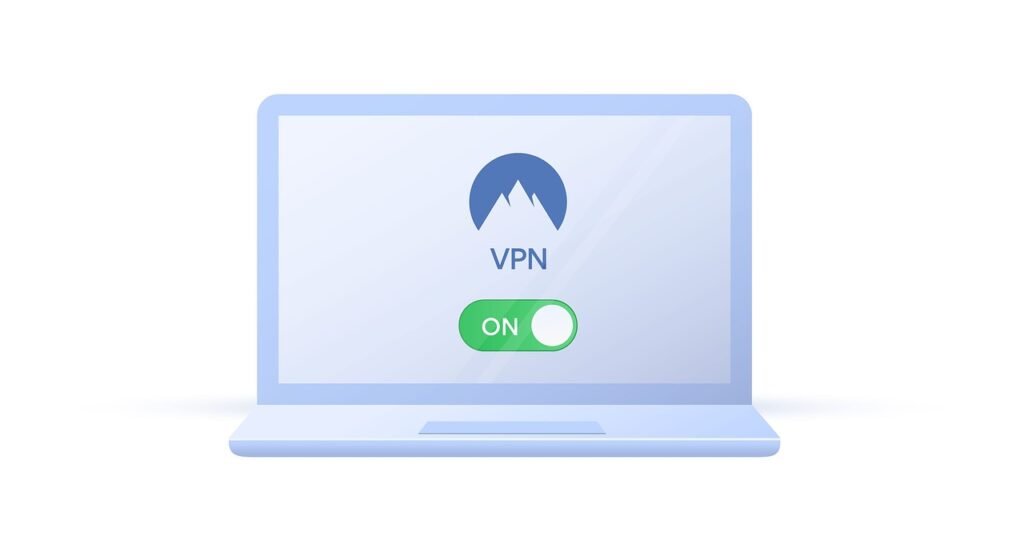
- Avoid Public Wi-Fi: Public Wi-Fi networks are often unsecured, making it easier for hackers to intercept your data. Use a Virtual Private Network (VPN) to encrypt your connection when using public Wi-Fi.
- Firewall Protection: Enable your device’s firewall to block unauthorized access.
Strong Passwords and Account Security
- Unique Passwords: Use a different, strong password for each of your online accounts.
- Password Length: Aim for passwords that are at least 12 characters long, using a combination of uppercase and lowercase letters, numbers, and symbols.
- Password Managers: Use a password manager to securely store and generate strong passwords. Popular options include LastPass, 1Password, and Dashlane.
- Two-Factor Authentication (2FA): Enable 2FA whenever possible, which requires you to enter a code from your phone or email in addition to your password.
- Regularly Update Passwords: Change your passwords periodically, especially for sensitive accounts like banking and email.
Antivirus and Anti-Malware Software
- Real-Time Scanning: Choose antivirus software with real-time scanning capabilities to detect and block threats as they occur.
- Regular Updates: Keep your antivirus software up-to-date with the latest virus definitions to protect against new threats.
- Reputable Brands: Select antivirus software from reputable brands like Norton, McAfee, or Bitdefender.
- Scan Regularly: Schedule regular scans of your device to detect and remove any malware.
- Anti-Spyware Tools: Use anti-spyware tools to detect and remove spyware that can track your online activity and steal your personal information.
Shopping Safely Online
Researching Sellers and Products
- Reputation: Check the seller’s reputation and reviews before making a purchase. Look for ratings, reviews, and customer feedback.
- Contact Information: Ensure the website has valid contact information, including a physical address and phone number.
- Secure Policies: Review the website’s privacy policy, return policy, and security practices.
- Price Comparison: Compare prices from different sellers to ensure you’re getting a fair deal. Be wary of extremely low prices, which could be a sign of a scam.
- Verified Reviews: Look for verified reviews from reputable sources.
Secure Checkout Process
- HTTPS: Ensure the checkout page uses HTTPS.
- Payment Options: Choose secure payment methods like credit cards or digital wallets.
- Shipping Information: Double-check your shipping address and other personal information before submitting your order.
- Order Confirmation: Save a copy of your order confirmation for your records.
- Track Your Order: Use the tracking number provided by the seller to monitor the status of your shipment.
Avoiding Scams and Fraud
- Phishing Emails: Be wary of phishing emails asking for your personal information. Never click on links or open attachments from unknown senders.
- Fake Websites: Watch out for fake websites that mimic legitimate online stores. Check the domain name, website design, and contact information.
- Suspicious Offers: Be suspicious of deals that seem too good to be true.
- Payment Requests: Avoid making payments through unsecured methods like wire transfers or gift cards.
- Report Suspicious Activity: Report any suspicious activity to the Federal Trade Commission (FTC) and your local law enforcement agency.
Conclusion
Securing your online transactions requires a multi-faceted approach that involves understanding the risks, adopting secure payment methods, practicing safe browsing habits, and shopping carefully. By implementing the strategies outlined in this guide, you can significantly reduce your risk of becoming a victim of online fraud and enjoy a safer, more secure online shopping experience. Remember that staying informed and vigilant is key to protecting your financial information in the ever-evolving digital landscape.