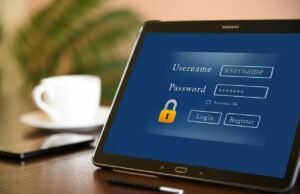
The digital age has ushered in unprecedented convenience and connectivity, but it has also brought significant challenges to our online privacy. Every click, search, and interaction leaves a digital footprint, often collected, analyzed, and potentially exploited by corporations, governments, and even malicious actors. Understanding how to protect your online privacy is no longer optional; it’s a necessity for safeguarding your personal information, financial security, and overall well-being. This post will delve into the critical aspects of online privacy and provide actionable steps you can take to regain control of your digital life.
Understanding the Landscape of Online Privacy
What is Online Privacy?
Online privacy refers to the level of control individuals have over their personal information collected, used, and shared on the internet. It encompasses a broad range of concerns, including:
- Data collection: Websites and apps often track your activity using cookies, trackers, and other technologies.
- Data usage: This data is then used for targeted advertising, profiling, and potentially discriminatory practices.
- Data security: The risk of data breaches and unauthorized access to your personal information is a constant threat.
- Transparency: Many companies lack transparency about how they collect, use, and share your data.
Why is Online Privacy Important?
Protecting your online privacy offers numerous benefits:
- Identity theft prevention: Minimizing the information available online reduces the risk of identity theft.
- Financial security: Protecting financial data prevents fraud and unauthorized access to your accounts.
- Reputation management: Controlling your online presence helps maintain a positive reputation.
- Freedom of expression: Privacy allows you to express your opinions and beliefs without fear of surveillance or censorship.
- Avoiding discrimination: Protecting personal data prevents biased algorithms from making discriminatory decisions.
- Example: Imagine you’re researching a sensitive health condition online. Without adequate privacy measures, this information could be used to target you with expensive (or unnecessary) treatments or, even worse, could impact your insurance premiums.
Securing Your Browsing Habits
Using Privacy-Focused Browsers and Search Engines
The browser and search engine you use significantly impact your online privacy.
- Privacy-focused browsers: Consider using browsers like Firefox (with enhanced tracking protection), Brave, or DuckDuckGo, which prioritize user privacy by blocking trackers and reducing data collection.
- Privacy-respecting search engines: Opt for search engines like DuckDuckGo or Startpage, which do not track your searches or personalize results based on your browsing history.
- Actionable Takeaway: Make DuckDuckGo your default search engine and explore privacy-focused browser settings in Firefox or Brave.
Utilizing Virtual Private Networks (VPNs)
A VPN encrypts your internet traffic and masks your IP address, making it difficult for websites and trackers to identify your location and browsing activity.
- How VPNs work: They create a secure tunnel between your device and a remote server, routing your internet traffic through that server.
- Benefits of using a VPN:
Hides your IP address.
Encrypts your internet traffic.
Protects your data on public Wi-Fi networks.
Circumvents geographical restrictions.
- Example: When using public Wi-Fi at a coffee shop, a VPN protects your data from being intercepted by hackers on the same network.
Browser Extensions for Privacy
Several browser extensions can enhance your online privacy:
- Privacy Badger: Automatically learns to block trackers based on their behavior.
- uBlock Origin: An efficient and lightweight ad blocker that also blocks trackers.
- HTTPS Everywhere: Forces websites to use secure HTTPS connections whenever possible.
- NoScript: Blocks JavaScript execution by default, preventing many types of tracking.
- Actionable Takeaway: Install Privacy Badger, uBlock Origin and HTTPS Everywhere to immediately improve your browsing privacy.
Managing Social Media Privacy
Adjusting Privacy Settings
Social media platforms are notorious for collecting vast amounts of user data. It’s crucial to carefully review and adjust your privacy settings on each platform.
- Limit data sharing: Restrict who can see your posts, photos, and personal information.
- Disable location tracking: Turn off location services for social media apps.
- Review app permissions: Regularly check which apps have access to your social media accounts and revoke unnecessary permissions.
- Control ad targeting: Opt out of personalized advertising based on your interests and browsing history.
- Example: Facebook allows you to limit the audience for your posts to “Friends” only and disable facial recognition. Review these settings regularly.
Being Mindful of What You Share
Think carefully before posting anything online. Once something is shared, it can be difficult to remove completely.
- Avoid oversharing: Be cautious about revealing personal details such as your address, phone number, or birthdate.
- Protect your children’s privacy: Refrain from sharing photos or information about your children without their consent (as they get older).
- Be wary of quizzes and surveys: These can be used to collect personal information and build psychological profiles.
Considering Alternative Social Media Platforms
Explore privacy-focused social media platforms that prioritize user data protection.
- Mastodon: A decentralized social network that gives users more control over their data and content moderation.
- Signal: A secure messaging app that offers end-to-end encryption.
- Actionable Takeaway: Audit your privacy settings on all social media platforms and consider using a more private alternative for specific needs.
Email Security and Privacy
Using Encrypted Email Providers
Standard email providers like Gmail and Yahoo Mail scan your emails for advertising purposes. Consider switching to an encrypted email provider that prioritizes privacy.
- ProtonMail: Located in Switzerland, ProtonMail offers end-to-end encryption and zero-access encryption.
- Tutanota: A German-based email provider that also offers end-to-end encryption.
- StartMail: A Dutch email provider that focuses on privacy and security.
- Example: ProtonMail encrypts your emails on their servers, meaning even they cannot read them.
Practicing Email Hygiene
Good email hygiene can significantly reduce the risk of phishing and malware attacks.
- Be cautious of suspicious emails: Avoid clicking on links or opening attachments from unknown senders.
- Use strong passwords: Create unique and complex passwords for your email accounts.
- Enable two-factor authentication (2FA): Add an extra layer of security to your email accounts.
- Regularly check for data breaches: Use a service like “Have I Been Pwned” to see if your email address has been compromised in a data breach.
- Actionable Takeaway: Switch to an encrypted email provider like ProtonMail and enable two-factor authentication for all your email accounts.
Mobile Privacy Measures
Reviewing App Permissions
Mobile apps often request excessive permissions to access your data. Reviewing and limiting these permissions can significantly enhance your privacy.
- Location access: Only grant location access to apps that genuinely need it and choose “While Using the App” instead of “Always Allow.”
- Camera and microphone access: Be wary of apps that request access to your camera or microphone without a clear justification.
- Contacts access: Limit which apps can access your contacts list.
- Example: A flashlight app shouldn’t need access to your contacts or location. Revoke those permissions.
Disabling Ad Tracking
Both iOS and Android offer settings to limit ad tracking.
- iOS: Go to Settings > Privacy > Tracking and turn off “Allow Apps to Request to Track.”
- Android: Go to Settings > Google > Ads > Reset advertising ID and enable “Opt out of Ads Personalization.”
Using Secure Messaging Apps
Choose messaging apps that offer end-to-end encryption for private communication.
- Signal: Widely regarded as one of the most secure messaging apps available.
- WhatsApp: Offers end-to-end encryption, but is owned by Facebook, raising some privacy concerns.
- Actionable Takeaway: Regularly review app permissions on your smartphone and disable ad tracking. Use Signal for sensitive conversations.
Conclusion
Protecting your online privacy is an ongoing process that requires awareness, vigilance, and proactive measures. By understanding the risks and implementing the strategies outlined in this guide, you can regain control over your digital footprint and safeguard your personal information. Remember that even small changes can make a significant difference in protecting your privacy in the digital age. Continue to stay informed about the latest privacy threats and adapt your strategies accordingly to ensure a safer and more secure online experience.