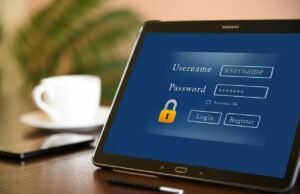
Imagine waking up one morning to find your bank account drained, your business network crippled, or sensitive personal information leaked online. This isn’t a scene from a dystopian movie; it’s the increasingly common reality of cyber attacks. In today’s interconnected world, understanding the threat landscape, common attack vectors, and effective preventative measures is more critical than ever for individuals and businesses alike. Let’s delve into the complex world of cyber attacks, equipping you with the knowledge to protect yourself and your organization.
Understanding the Cyber Attack Landscape
Cyber attacks are malicious attempts to access, damage, or disrupt computer systems, networks, and digital devices. The motivations behind these attacks vary widely, ranging from financial gain to espionage and even acts of vandalism. Understanding the types of attacks and their potential impacts is the first step in building a strong defense.
Types of Cyber Attacks
- Malware Attacks:
Viruses: Self-replicating code that attaches to files and spreads to other systems. A recent example is the resurgence of Emotet, a sophisticated malware often used as a delivery mechanism for other malicious payloads.
Worms: Similar to viruses but can self-replicate without attaching to files, spreading rapidly across networks. The WannaCry ransomware outbreak in 2017 serves as a stark reminder of the devastating potential of worms.
Trojans: Disguise themselves as legitimate software, often containing hidden malicious functionalities. Banking Trojans, for instance, can steal credentials when a user logs into their online banking account.
Ransomware: Encrypts files on a system and demands a ransom payment for decryption. The Colonial Pipeline attack in 2021, which shut down a major fuel pipeline, highlighted the severe consequences of ransomware attacks on critical infrastructure.
Spyware: Covertly monitors a user’s activity and transmits information to a third party. Keyloggers, a type of spyware, record every keystroke, potentially capturing passwords and sensitive data.
- Phishing Attacks:
Deceptive emails, messages, or websites designed to trick individuals into revealing sensitive information such as usernames, passwords, and credit card details. Spear phishing targets specific individuals or organizations, making them more convincing. Example: A personalized email purporting to be from your bank, urging you to update your account information.
- Denial-of-Service (DoS) and Distributed Denial-of-Service (DDoS) Attacks:
Overwhelm a system with traffic, making it unavailable to legitimate users. DDoS attacks use multiple compromised computers (a botnet) to amplify the attack. A common example involves overwhelming a website with millions of requests, causing it to crash.
- Man-in-the-Middle (MitM) Attacks:
Interception of communication between two parties, allowing the attacker to eavesdrop, steal data, or manipulate the conversation. Using unencrypted Wi-Fi networks makes you vulnerable to MitM attacks.
- SQL Injection:
Exploitation of vulnerabilities in database-driven applications to insert malicious SQL code, potentially allowing attackers to access, modify, or delete data. For example, entering malicious code into a website’s login form to bypass authentication.
Impact of Cyber Attacks
Cyber attacks can have far-reaching consequences, impacting individuals, businesses, and even national security.
- Financial Loss: Direct financial losses due to theft, fraud, or extortion. According to a report by Cybersecurity Ventures, global cybercrime costs are projected to reach $10.5 trillion annually by 2025.
- Reputational Damage: Loss of trust and confidence from customers and stakeholders. A data breach can significantly damage a company’s brand image.
- Operational Disruption: Business operations can be significantly disrupted or halted entirely. Ransomware attacks, for example, can cripple entire networks, preventing employees from accessing critical systems and data.
- Data Breach: Exposure of sensitive personal or business information. Data breaches can lead to identity theft, financial fraud, and regulatory fines.
- Legal and Regulatory Penalties: Failure to comply with data protection regulations such as GDPR can result in hefty fines.
Common Attack Vectors
Understanding how attackers gain entry into systems is crucial for implementing effective security measures.
Weak Passwords and Credentials
- Using weak or easily guessable passwords is a major vulnerability.
Example: “password123” or “123456” are easily cracked.
- Credential stuffing attacks, where stolen usernames and passwords from previous breaches are used to gain access to other accounts.
Mitigation: Use strong, unique passwords and enable multi-factor authentication (MFA) wherever possible. Consider using a password manager.
Software Vulnerabilities
- Outdated software often contains known vulnerabilities that attackers can exploit.
Example: Unpatched operating systems, web browsers, or applications.
- Zero-day exploits, which target vulnerabilities that are unknown to the software vendor.
Mitigation: Regularly update software and applications, implement vulnerability management programs, and consider using intrusion detection systems (IDS).
Social Engineering
- Manipulating individuals into divulging confidential information or performing actions that compromise security.
Example: Phishing emails that trick users into clicking on malicious links or providing sensitive information.
- Pretexting, where an attacker creates a false scenario to convince the victim to provide information.
Mitigation: Educate employees about social engineering tactics, implement strict access control policies, and verify requests for sensitive information through multiple channels.
Unsecured Networks
- Using unsecured Wi-Fi networks or failing to properly configure network security devices can create vulnerabilities.
Example: Public Wi-Fi hotspots often lack encryption, making it easy for attackers to intercept data.
- Misconfigured firewalls or routers can allow unauthorized access to internal networks.
* Mitigation: Use strong encryption for Wi-Fi networks, implement firewalls, and regularly audit network security configurations. Use a VPN (Virtual Private Network) when on public Wi-Fi.
Prevention and Mitigation Strategies
Protecting against cyber attacks requires a multi-layered approach that encompasses technical controls, employee training, and robust security policies.
Implementing Strong Security Policies
- Password Policy: Enforce strong password requirements, including length, complexity, and regular password changes.
- Access Control Policy: Implement the principle of least privilege, granting users only the access they need to perform their job functions.
- Data Backup and Recovery Policy: Regularly back up data and store backups securely offsite to ensure business continuity in the event of a cyber attack.
- Incident Response Policy: Develop a detailed plan for responding to cyber incidents, including steps for detection, containment, eradication, and recovery.
Technical Controls
- Firewalls: Act as a barrier between your network and the outside world, blocking unauthorized access.
- Intrusion Detection and Prevention Systems (IDS/IPS): Monitor network traffic for malicious activity and automatically block or alert administrators.
- Antivirus and Anti-Malware Software: Detect and remove malicious software from systems.
- Endpoint Detection and Response (EDR): Advanced security solutions that provide real-time monitoring and threat detection on endpoints.
- Multi-Factor Authentication (MFA): Requires users to provide multiple forms of authentication, such as a password and a code from their mobile device, making it more difficult for attackers to gain access.
- Vulnerability Scanning: Regularly scan systems for vulnerabilities and apply necessary patches.
Employee Training and Awareness
- Educate employees about common cyber threats, such as phishing, social engineering, and malware.
- Conduct regular security awareness training sessions and simulations.
- Encourage employees to report suspicious activity immediately.
- Implement a “see something, say something” culture.
Incident Response Planning
- Develop a comprehensive incident response plan that outlines the steps to be taken in the event of a cyber attack.
- Regularly test and update the incident response plan.
- Establish a clear chain of command and communication protocols.
- Consider engaging a cybersecurity incident response firm to assist with incident management.
Staying Ahead of the Threat Landscape
The cyber threat landscape is constantly evolving, with new attacks and vulnerabilities emerging every day. Staying informed and adapting your security measures is essential for maintaining a strong defense.
Continuous Monitoring and Threat Intelligence
- Implement continuous monitoring tools to detect anomalies and suspicious activity in real-time.
- Subscribe to threat intelligence feeds to stay informed about the latest threats and vulnerabilities.
- Participate in industry forums and share threat information with other organizations.
Regular Security Audits and Penetration Testing
- Conduct regular security audits to assess the effectiveness of your security controls.
- Perform penetration testing to identify vulnerabilities and weaknesses in your systems.
- Use the results of audits and penetration tests to improve your security posture.
Collaboration and Information Sharing
- Collaborate with other organizations and government agencies to share threat information and best practices.
- Participate in industry-specific information sharing and analysis centers (ISACs).
- Report cyber incidents to the appropriate authorities.
Conclusion
Cyber attacks pose a significant threat to individuals, businesses, and organizations worldwide. By understanding the types of attacks, common attack vectors, and effective preventative measures, you can significantly reduce your risk. Implementing strong security policies, technical controls, and employee training, along with continuous monitoring and threat intelligence, are essential for building a robust defense. Remember that cybersecurity is an ongoing process, not a one-time fix. Staying informed and adapting your security measures to the evolving threat landscape is crucial for protecting your valuable assets in the digital age. Take action today to strengthen your cybersecurity posture and protect yourself from the ever-present threat of cyber attacks.